
What is happening in our industry
Our insights from the industry, press coverage, and the events where you can find us in person. We speak and exhibit at major fleet conferences across the country.











-
Winter DEF and DPF Problems: How Fleets Catch Them Early
It is 7 a.m. in January, and a refuse vehicle is stopped on the shoulder mid-route. The dash shows a DEF fault, the engine has derated, and the route...
Fleet maintenance
-
Trucking Leadership at ATA MCE 2026
ATA’s Management Conference and Exhibition runs October 17 to 20 at the Charlotte Convention Center, under the theme Forward Together. Tensor Planet is among the technology providers meeting carrier executives on what predictive maintenance does to uptime and to the maintenance line of the budget.
Charlotte, NC
-
Municipal Fleet Budgets: How Predictive Maintenance Helps
Predictive maintenance turns unplanned repairs into scheduled ones. It reads the telematics data a public fleet already collects, detects a failing co...
Fleet maintenance
-
Gold Sponsor at RTA Connect 2026
Tensor Planet is a Gold sponsor of RTA Connect 2026, the RTA fleet management user conference, October 12 to 16 at the Hyatt Regency O’Hare in Chicago. Our booth offers RTA fleets a free fleet diagnostic, run on the telematics and work order data they already have, showing which vehicles are heading for a failure and what it costs to wait.
Chicago, IL
-
Best Predictive Maintenance Software for Fleets: How to Choose
The best predictive maintenance software for a fleet is the one that turns the telematics data it already collects into repairs its service shop can s...
Fleet maintenance
-
Fleet Technician Shortage: How AI Predictive Maintenance Helps
Monday's work list in a typical service shop carries the PMs that were planned, plus whatever came in over the weekend: a tractor towed back with a pl...
Fleet maintenance
-
Every Breakdown Breaks a Delivery Promise
A private fleet misses delivery windows when a vehicle fails mid-route with no warning the shop could act on. AI predictive maintenance detects the de...
Fleet maintenance
-
Waste Fleet Leaders at SWANA RCon 2026
Ganes Kesari joins waste and resource management professionals at SWANA’s RCon 2026, September 29 to October 2 at America’s Center in St. Louis. He is meeting the public and private haulers who run collection fleets, on how AI detects and diagnoses a failing vehicle early enough to prevent the breakdown on route.
St. Louis, MO
-
Breakdowns Are Costing You Drivers
A roadside breakdown takes a driver's miles, their pay for the week, and often the truck they know. Equipment problems, led by tractor breakdowns and...
Fleet maintenance
-
Ganes Kesari Speaks at TMC Fall 2026
TMC’s 2026 Fall Meeting and National Technician Skills Competitions runs September 20 to 24 in Pittsburgh, under the theme The Convergence of Technology and Maintenance. Ganes Kesari speaks in the AI Summit session on how AI and VMRS can improve the repair order, warranty and parts management process, alongside fleet and supplier panelists.
Pittsburgh, PA
-
Rework Is Eating Your Maintenance Budget
A truck gets signed off after an exhaust repair. Parts replaced, codes cleared, road test clean. Three weeks later it is back in the same bay with the...
Fleet maintenance
-
Keeping Trucks Longer Has a Price
Holding a truck for another two years avoids a six-figure purchase, a financing decision, and a fresh depreciation schedule. On a capital budget, tha...
Fleet maintenance
-
How to Run a Weekly AI-Powered Fleet Maintenance Risk Review
Every fleet runs some version of a Monday maintenance meeting. It covers what broke last week, which units are still down, and what parts are on backo...
Fleet maintenance
-
How AI Helps Fleets Prevent Repeat Repairs That Drain Budget
Every fleet has one. Unit 214 goes in for a derate, comes out, runs three weeks, and derates again. Different technician, different shift, sometimes a...
Fleet maintenance
-
How AI Work Orders Fit Your Existing Fleet Maintenance Software
Most fleets already run a CMMS (computerized maintenance management system) or EAM (enterprise asset management) platform technicians know by heart. E...
Fleet maintenance
-
5 Things Every Repair Work Order Should Include
A prediction only creates value when it becomes the right action at the right time, and that handoff happens in the work order. A vague work order was...
Fleet maintenance
-
How to Build a Weekly High-Risk Fleet Vehicle List With AI Predictive Maintenance
Most fleets manage weekly maintenance attention the same way: inspection due dates, mileage triggers, whichever driver complained loudest. Every truck...
Fleet maintenance
-
The Blind Spot in Fleet Telematics You Should Know About
A truck rolls through the yard with clean telematics. No active fault codes, no red flags on the dashboard, engine temperature and pressure readings s...
Fleet maintenance
-
AI Recommendation vs. Dashboard Alert: What’s The Difference
Ask fleet managers what predictive maintenance means, and most will point to their dashboard. A fault code flashes red, an email lands in the inbox, a...
Fleet maintenance
-
5 Ways Fleet Maintenance Teams Should Use Telematics Data Every Week
Most maintenance teams already have more telematics data than they know what to do with. The problem is not collection, it is cadence. Data gets pulle...
Fleet maintenance
-
Why Fault Codes Alone Do Not Tell Fleets What to Do Next
A fault code tells you a threshold was crossed. It does not tell you why, how fast the condition is progressing, or whether it needs attention today or...
Fleet maintenance
-
How to Reduce Roadside Failures Without Adding More Shop Capacity
By finding out which specific trucks are close to failing, and redirecting the shop time you already have onto those. More bays do not stop a truck fro...
Fleet maintenance
-
Why Emergency Repairs Break Maintenance Budgets
Fleet maintenance budgets are built on assumptions. Scheduled intervals. Historical averages. Projected parts costs. What they rarely account for is t...
Fleet maintenance
-
Waste Dive Covers Ganes' Panel Insights at the Waste Leadership Summit
Waste Dive covers Ganes Kesari’s Waste Leadership Summit panel comments, comparing sensor and maintenance data to a smartwatch for trucks, and highlighting a Tensor Planet customer’s 41% drop in exhaust failures with AI-powered predictive maintenance.
Waste Dive
-
What Happens After a Vehicle Goes Down Mid-Route?
The first sign is usually a dashboard warning, nothing more. A driver running a freight lane is forty minutes from his next stop when the oil pressure...
Fleet maintenance
-
Predictive Maintenance in Waste Fleets: How AI is Changing the Game
Ganes breaks down why calendar-based maintenance leaves waste fleets vulnerable to failures, and how AI-driven predictive maintenance helps teams detect and diagnose issues earlier and reduce fleet downtime.
Waste Advantage
-
What a Roadside Breakdown Really Costs a Fleet
Far more than the tow. The invoice shows heavy-duty towing and emergency labor, but the larger cost is the truck sitting idle while non-fuel operating...
Fleet maintenance
-
Ganes Kesari Speaks at Waste Leadership Summit
Tensor Planet’s founder takes the stage at The Waste Leadership Summit in Washington, D.C., joining waste and recycling operators, municipal decision-makers, and investors to discuss how AI is reshaping the waste industry.
Washington Hilton, WA
-
Why Two Similar Vehicles Should Not Follow the Same Maintenance Plan
Take two Mack Granite dump trucks, spec’d identically, purchased in the same quarter. Six months into operation, one has been hauling aggregate on fla...
Fleet maintenance
-
What Can Go Wrong Between Two PM Services?
Preventive maintenance schedules exist for good reasons. They create accountability, establish inspection intervals, and ensure no vehicle goes indefi...
Fleet maintenance
-
The Whisper Before the Scream: What Fleet Maintenance Is Missing Before the Fault Code Fires
By the time a fault code appears on a diagnostic screen, the problem has usually been building for weeks. The code is not the start of the failure. It...
Fleet maintenance
-
Summer Stress in Fleets: A Diagnostic Guide for Operators
Most fleets do not adjust maintenance strategy for summer. They continue with the same schedules, the same assumptions, and the same thresholds.
Fleet maintenance
-
Why Preventive Maintenance Still Misses Expensive Failures
Because PM is built around intervals, and intervals are averages. Real vehicles do not wear out on average. A roll-off truck on stop-start routes wears...
Fleet maintenance
-
AI Provides a Predictive Edge for Fleet Maintenance
Transport Topics covers how fleets including Knight-Swift are moving from AI experiments to real ROI. Featured in the piece: results from a Tensor Planet customer, a Maine waste hauler where exhaust repairs dropped 41% in ten weeks, and why adoption speed is now the industry’s main challenge.
Transport Topics
-
Tensor Planet Exhibits at NPTC Annual Conference
We exhibited at the NPTC Annual Conference in Orlando, meeting fleet managers from private motor carrier fleets across North America. Conversations centered on predictive maintenance and how AI fits into existing shop workflows without adding complexity.
Orlando, FL
-
A Day in the Life of a Fleet Technician: Before and After AI-Powered Predictive Maintenance
The day starts with a list that already feels outdated.
Fleet maintenance
-
How to Align Maintenance, Inventory, and Operations Using AI Insights
A vehicle breaks down unexpectedly on the road. The issue is identified, but the required part is not immediately available. There is no backup vehicl...
Fleet maintenance
-

AI in Waste Collection at SWANA NJ
Real deployment data took center stage at the SWANA NJ Spring Conference in Atlantic City, where Ganes presented on practical AI applications in waste collection: contamination detection, service verification, and predictive fleet maintenance, with a focus on what frontline adoption actually looks like.
Atlantic, NJ
-
Why AI Fails in Fleet Maintenance Without Leadership Buy-In
A fleet deploys an AI system to predict failures and optimize maintenance. The models identify early signs of component wear, flag high-risk vehicles,...
Fleet maintenance
-
The Human Side of AI Adoption: Lessons From the Field
AI adoption lags in waste management, construction, and freight, and the technology is rarely the reason. This piece examines what actually blocks progress and how leaders in non-tech-native operations can build real, lasting adoption.
MIT Sloan Management Review
-
How AI Turns Telematics Data into Predictive Fleet Reliability
Fleets rarely break down in obvious ways and they do not typically fail without warning. Components degrade gradually under real operating conditions ...
Fleet maintenance
-
AI in Construction Fleet Management: What Is Actually Possible in 2026
Construction fleet management has always involved managing uncertainty. Equipment operates across multiple job sites, under variable loads, in conditi...
Fleet maintenance
-
How Much Does Fleet Downtime Really Cost?
Between $448 and $760 per vehicle per day in direct costs, and more once the indirect costs land. The repair bill is the most visible number and rarely...
Fleet maintenance
-
Technical Leadership in Focus at TMC 2026
Ganes Kesari attended ATA’s Technology & Maintenance Council Annual Meeting and Transportation Technology Exhibition in Nashville. The program centered on innovative strategies for technical leadership, and Ganes met fleet maintenance leaders working to move their shops from reactive repairs to planned ones.
Nashville, TN
-
Reactive vs Preventive vs Predictive Maintenance: What’s the Difference?
Reactive fixes it after it breaks. Preventive fixes it on a schedule. Predictive fixes it when the vehicle's own data says it is about to fail. The dif...
Fleet maintenance
-
Fleet Breakdowns in Construction: How AI Powered Maintenance Software Reduces Fleet Downtime Costs
On a construction site, equipment does not fail without warning. It degrades. Hydraulic pressures drift. Coolant temperatures run slightly higher. Fue...
Fleet maintenance
-
Why Scheduled Maintenance Alone Doesn’t Prevent Fleet Breakdowns
In waste management, construction, and freight and logistics, fleet breakdowns are rarely true surprises. Engines, hydraulics, drivetrains, and coolin...
Fleet maintenance
-
Why Fleet Breakdowns Are Rarely Sudden Events
Because most failures develop over weeks. Components degrade, operational stress accumulates, and efficiency declines before a vehicle is sidelined. Th...
Fleet maintenance
-
AI-Driven Fleet Data at Geotab Connect 2026
Ganes Kesari attended Geotab Connect 2026, Geotab’s annual gathering of fleet operators, partners and marketplace solution providers. The focus for Tensor Planet: how the data fleets already collect through Geotab can flag failing vehicles weeks before a breakdown.
MGM Grand, Las Vegas, NV
-
Battery Drain Overnight: How Voltage Decay Analytics Prevents No-Start Events in Fleet Operations
Overnight battery drain is one of the most frustrating and disruptive failure modes in fleet operations. A vehicle parks at the end of the day seeming...
Fleet maintenance
-
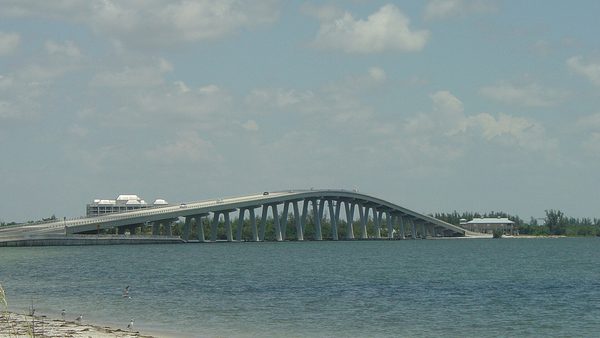
Waste Operations at SWANA FL Winter 2026
Tensor Planet joined Florida’s solid waste professionals at the SWANA FL Winter Conference. Sessions covered recycling, materials circularity, landfill and transfer station operations, and regulatory updates from Florida agencies.
Fort Myers, FL
-
How Artificial Intelligence Is Making Waste Collection Safer and More Efficient
Waste collection is one of the most dangerous frontline operations, with risks ranging from driver fatigue to sudden vehicle breakdowns. This article ...
Fleet maintenance
-
Webinar : How Specialty Construction Fleets Can Prevent Breakdowns Using Geotab + AI
Specialty construction vehicles such as concrete pump trucks and hydrovac units operate under extreme conditions. Long idle hours, PTO-driven loads, h...
Fleet maintenance
-
From Reactive to Predictive DPF Cleaning: How AI Determines the Right Cleaning Interval
Diesel Particulate Filter (DPF) issues remain a persistent source of downtime and cost in waste, construction, and freight fleets. A clogged or damage...
Fleet maintenance
-
PTO Outages Rarely Happen Suddenly: How Predictive Analytics Detects Risk Early
Power Take-Off (PTO) systems are mission-critical in waste collection, construction, and vocational freight fleets. When a PTO fails, the vehicle may ...
Fleet maintenance
-
From No-Start Events to Predictable Uptime: How AI Transforms Fleet Battery Maintenance
Battery failure remains one of the most common and disruptive causes of vehicle downtime across waste collection, construction, and freight fleets. Ac...
Fleet maintenance
-
Detecting PTO System Failures Early: A Guide for Fleet Reliability
In modern fleet operations, Power Take-Off (PTO) systems are critical for vehicles that rely on auxiliary equipment, whether it’s powering hydraulic l...
Fleet maintenance
-
Predicting Engine Derate Events Before They Happen
In the world of fleet management and heavy-duty vehicles, few issues are as disruptive as an unexpected engine derate event . When an engine suddenly ...
Fleet maintenance
-
Early Detection of High DPF Soot Load: What Your Sensors Won’t Tell You But AI Can
Differential pressure and temperature probes fire once soot load has already reached a critical threshold. They report what has happened, not what is a...
Fleet maintenance
-
Sensor Data to Savings: The Science Behind Predictive Maintenance
In today’s competitive logistics and transportation landscape, every minute of vehicle downtime translates into lost revenue, missed deadlines, and di...
Fleet maintenance
-
How AI Transforms Predictive Maintenance and Cost Savings
Fleet maintenance has always been a cornerstone of logistics and transportation. Keeping vehicles in peak condition ensures safety, compliance, and op...
Fleet maintenance
-
Why Emergency Repairs Are Killing Your Fleet’s Profitability
In fleet operations, time is money. Every minute a vehicle is off the road, your business loses revenue. But not all downtime is equal. While schedule...
Fleet maintenance
-
How Predictive Maintenance Saves Huge Costs for Fleets
Fleet operations are under constant pressure to reduce costs, improve uptime, and deliver consistent performance. Yet one of the biggest threats to pr...
Fleet maintenance
-

Safer Is Smarter: AI at SWANA RCon
At SWANA’s first-ever RCon, Ganes hosted a session on how AI is changing waste collection. Leaders from Tampa, Loveland and Camden County shared how their teams apply AI to driver safety, predictive maintenance and route planning.
Columbus, OH
-
From Reactive to Proactive: The Fleet Maintenance Revolution
Fleet maintenance has long been a reactive process. A truck breaks down, a technician is dispatched, and operations are disrupted until the issue is r...
Fleet maintenance
-
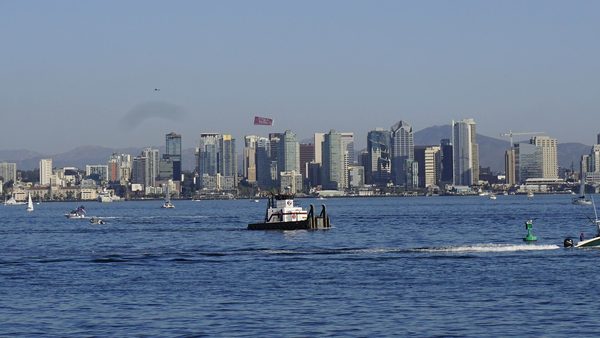
Fleet Technology’s Future at Fleet Forward 2025
Ganes Kesari joined private and public fleet managers at the Fleet Forward Conference, where the conversation centered on the technology shaping the next generation of fleet operations. Organizers filmed a short video with Ganes at the event.
San Diego, CA
-
The Future Of Fleets: AI Predictive Maintenance Prevents Breakdowns
The waste collection industry generated $69 billion in revenue in 2024, accounting for over two-thirds of the total US waste and recycling revenue. Lo...
Fleet maintenance
-
A Maintenance Revolution: Reducing Downtime With AI
Drawing on deployments at BMW and Shell, Ganes writes on what makes predictive maintenance work in practice, and why data quality, workflow integration, and frontline trust matter more than the algorithm itself.
MIT Sloan Management Review
-
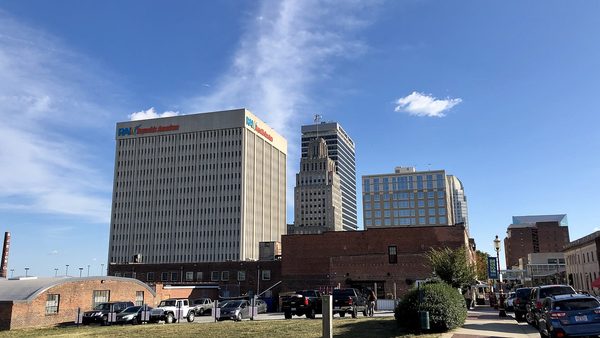
Resilient Public Fleets at SFT Expo 2025
Ganes Kesari attended the Sustainable Fleet Technology Conference & Expo, hosted by the NC Clean Energy Technology Center. The program focused on sustainable, resilient fleet operations for a largely public-sector audience, from the Green Fleet Awards to an alternative fuel resilience summit.
Winston-Salem, NC
-

Florida Haulers at SWANA FL Summer 2025
Ganes Kesari spent the SWANA Florida Summer Conference with the haulers and public works teams that run solid waste fleets across the Southeast. SWANA FL bills it as the premier solid waste conference and tradeshow in the Southeast.
Hilton Orlando, FL
-
The Future of Fleets: AI Predictive Maintenance Prevents Breakdowns
Published in Forbes, this piece makes the case for why predictive maintenance is the most immediate AI opportunity for commercial fleets, and how telematics data can surface failure patterns weeks before a breakdown ever reaches the shop.
Forbes
-
Turning Trash Into Treasure: How AI Is Revolutionizing Waste Sorting
The waste crisis is devastating our planet. A lot of the stuff we throw gets dumped in landfills. These massive waste disposal sites are often created...
Fleet maintenance
-
AI Takes On Trash: Transforming Landfills For A Sustainable Future
Did you know methane is a more potent greenhouse gas than carbon dioxide? Uncaptured methane is 84 times more harmful than carbon dioxide, making it a...
Fleet maintenance
-
When Waste Management Companies Pick Up AI Tools
Waste management companies are addressing safety, efficiency, and maintenance challenges with artificial intelligence technologies. A Waste Connection...
Fleet maintenance
-
The Future of Waste Fleet Management: How AI-Powered Predictive Maintenance Prevents Breakdowns and Cuts Costs
Modern-day waste fleet management isn’t what it used to be. Smarter, tech-driven strategies are quickly replacing the days of reactive repairs because...
Fleet maintenance
-
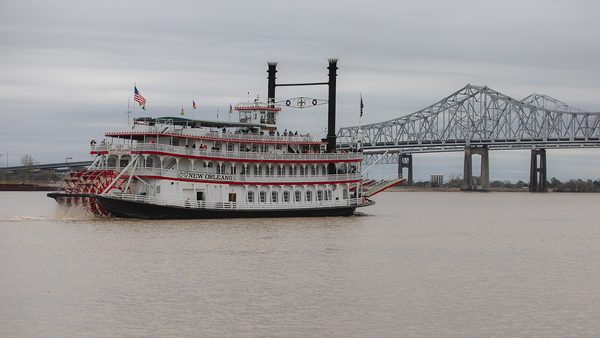
Debris Fleets at National Hurricane Conference 2025
Ganes Kesari attended the National Hurricane Conference, one of the country’s largest hurricane preparedness events, to meet the haulers who run debris collection after a storm. For those fleets, a truck that breaks down mid-response is a road that stays blocked.
New Orleans, LA


Nothing in this category yet.
Get the latest insights on what is happening with fleets.
Regulatory changes, industry news and what we are seeing in the field, every two weeks. Unsubscribe any time.