A truck breaks down 200 miles from the nearest shop on a Tuesday afternoon. The driver is stranded, dispatch is scrambling, a tow costs more than the repair, and a customer delivery is now at risk. This is what a roadside failure actually costs, and it rarely shows up fully in a maintenance report. ATRI‘s latest operational cost analysis found that non-fuel truck operating costs hit a record $1.779 per mile in 2024, driven partly by rising repair and maintenance pressure. That number goes up when breakdowns happen on the road instead of in the shop.
Most fleet managers respond by looking at shop capacity: more bays, more technicians, faster turnaround. But adding shop capacity does not prevent a truck from breaking down on the road. The breakdown happened because nobody knew the failure was coming.
The Bottleneck Is Visibility, Not Capacity
Most maintenance managers already know which trucks are oldest, which drivers are hardest on equipment, and which routes are roughest. What they do not know is which specific truck is 10 days away from a component failure.
Without that information, maintenance scheduling is based on mileage intervals, calendar dates, and driver reports. All three are imprecise. A truck that hit its 25,000-mile service interval is not necessarily at risk. A truck with fewer miles but a cooling system running hotter than normal might be.
That gap is where most fleet breakdowns happen.
What Changes When You Use That Data
When AI models are applied to telematics and maintenance history, they learn what normal looks like for each vehicle under its specific operating conditions. Over time, they detect when a component starts deviating from that baseline in ways that suggest a failure is developing.
That shifts the dynamic. Instead of treating every truck the same, maintenance teams get a prioritized view of which vehicles need attention now, which can wait, and which are fine. The shop does not need more bays. It needs a fleet breakdown prevention tool that tells them which vehicles to pull before they pull themselves off the road.
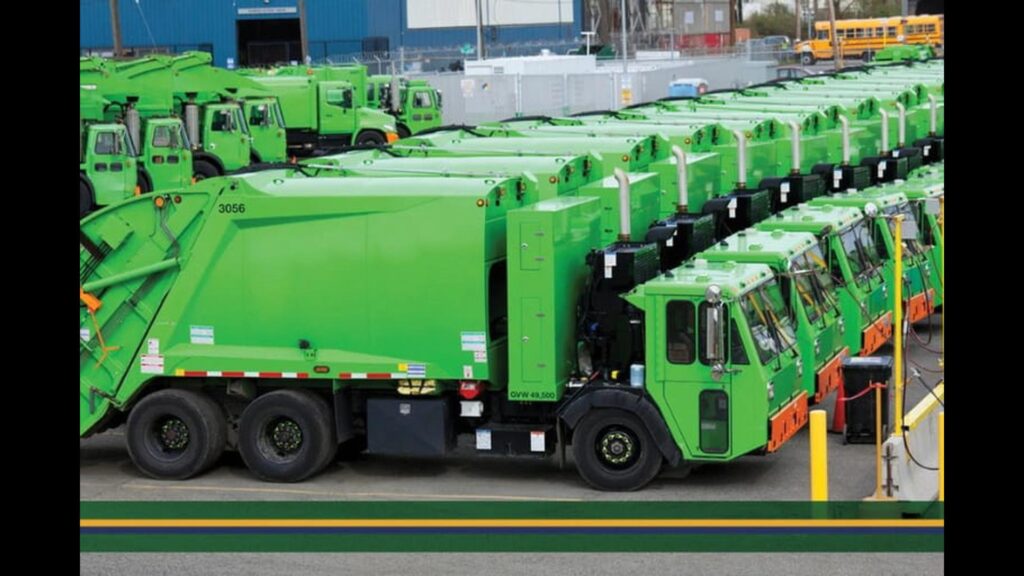
A waste fleet in Maine applied this approach and cut exhaust-related roadside repairs by 41% over 10 weeks. They did not add headcount. They redirected existing shop time to the vehicles that actually needed it, based on failure signals their telematics data had been generating all along. When predictive maintenance is applied consistently, it extends vehicle life by keeping failures out of the road and into the shop, where they can be handled on schedule.
The Shift in How You Think About Shop Time
Adding shop capacity is a volume solution. It assumes you need to do more maintenance. What most fleets actually need is better-targeted maintenance.
The vehicles causing roadside failures are not the ones you ran out of time for. They are the ones you did not know were at risk. That is a solvable problem, and the data to solve it is already sitting in your telematics system.
The starting point is a simple question: are you using your telematics data to rank vehicle risk, or just to generate alerts? Most fleets are surprised by the gap between the two.
The capacity was never the problem. The visibility was.