A fault code fires. A technician pulls the code, sees “DPF differential pressure high,” and starts troubleshooting from there. That is the standard response across most shops today. It is also where the real problem starts.
The myth: many fleets treat a fault code as an instruction. Code appears, technician diagnoses, part gets replaced, truck goes back on the road. Simple, in theory.
The reality: a fault code tells you a threshold was crossed. It does not tell you why, how fast the condition is progressing, or whether it needs attention today or in three weeks. The same DPF code can mean a sensor drifting out of calibration or a filter close to triggering an engine derate, where the truck automatically cuts power to protect itself. Technicians end up doing detective work the code was supposed to eliminate: pulling history, checking mileage since last service, deciding if this is urgent or something to monitor.
That diagnostic time adds up, and most shops have little room to spare for it. A recent report from the American Transportation Research Institute (ATRI) found that 65.5% of shops are understaffed, with nearly 19.3% of technician positions left unfilled. Every hour a technician spends deciding whether a code is real or noise is an hour a short-staffed shop cannot afford to lose to guesswork.
There is a second issue. Fault codes are reactive by design. They fire after a component has already crossed a failure threshold, which means the truck may already be operating in a degraded state by the time anyone sees the alert. A code is a symptom report, not a forecast.
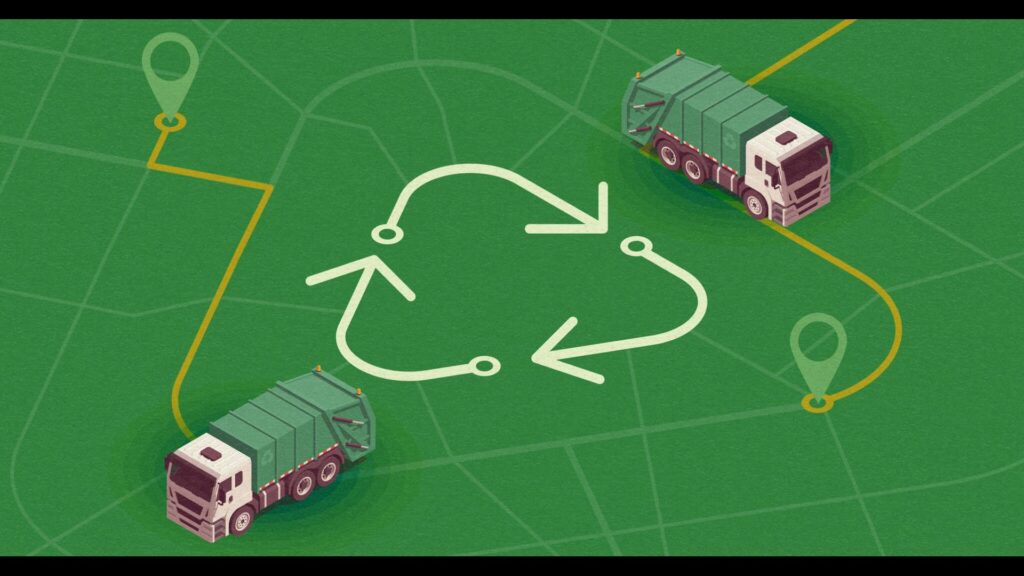
What actually works: predictive maintenance built on telematics data has value beyond the fault code itself, but only when that data is read over time instead of at a single point. This is the core idea behind AI-powered predictive maintenance for fleets: a model that has learned a vehicle’s normal operating behavior can see a DPF regenerating more frequently three weeks before the differential pressure code ever fires. It can separate a sensor anomaly from a genuine mechanical trend by comparing the current pattern against that truck’s own history and against similar vehicles in the fleet. That is context a single fault code cannot provide on its own.
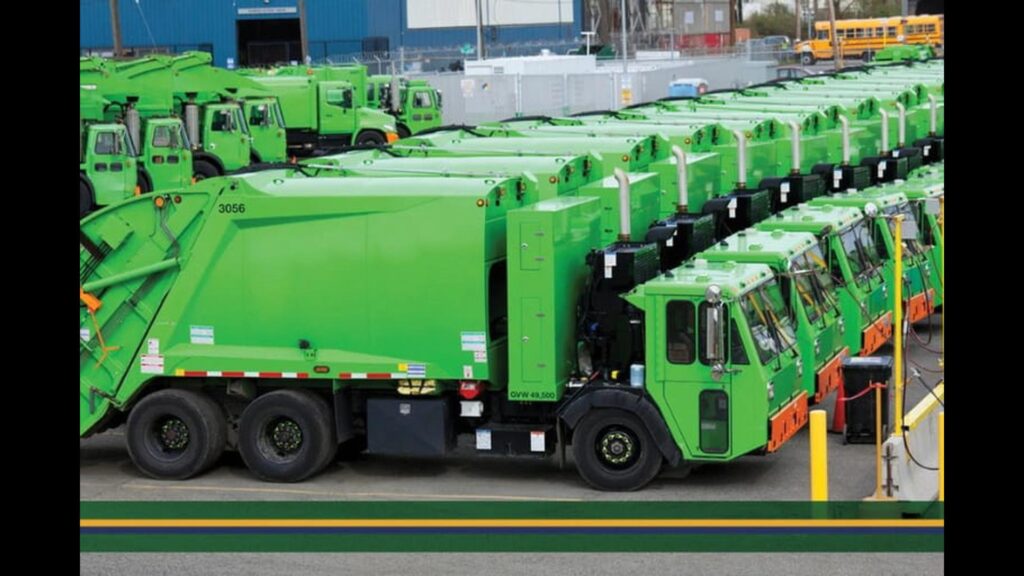
This changes what shows up on a technician’s screen. Instead of a code and a generic repair manual reference, the system flags which vehicles are actually at risk, ranks them by how soon the issue is likely to become disruptive, and recommends the next course of action that makes sense for that specific pattern. One waste hauler fleet using this approach cut exhaust-related repairs by 41% in ten weeks, saving roughly $1,600 per truck, largely because technicians stopped chasing codes reactively and started acting on ranked, time-bound recommendations instead.
None of this replaces technician judgment. A technician still makes the final call on the truck. What changes is what they are working from: a fault code alone, or a fault code plus the pattern that explains why it fired and how urgent it actually is.
The fleets getting ahead of breakdowns are not the ones responding to codes fastest. They are the ones that stopped expecting the code to do the diagnosis for them.
What percentage of your fault code responses this quarter turned out to be false alarms once a technician got hands on the truck?