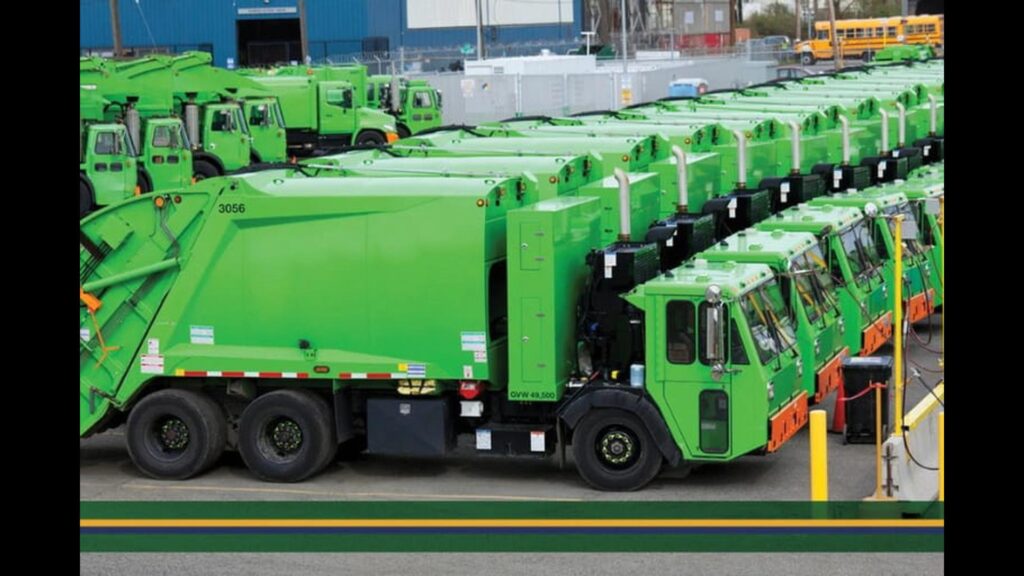
The waste crisis is devastating our planet. A lot of the stuff we throw gets dumped in landfills. These massive waste disposal sites are often created by destroying forests or inhabitable lands. For example, the United States has lost land roughly the size of the state of Maryland to landfills.
Unfortunately, materials that could be recycled or composted continually end up in landfills. With waste generation projected to rise by 73% by 2050, the problem could get worse. We need more efficient and innovative solutions to manage waste.
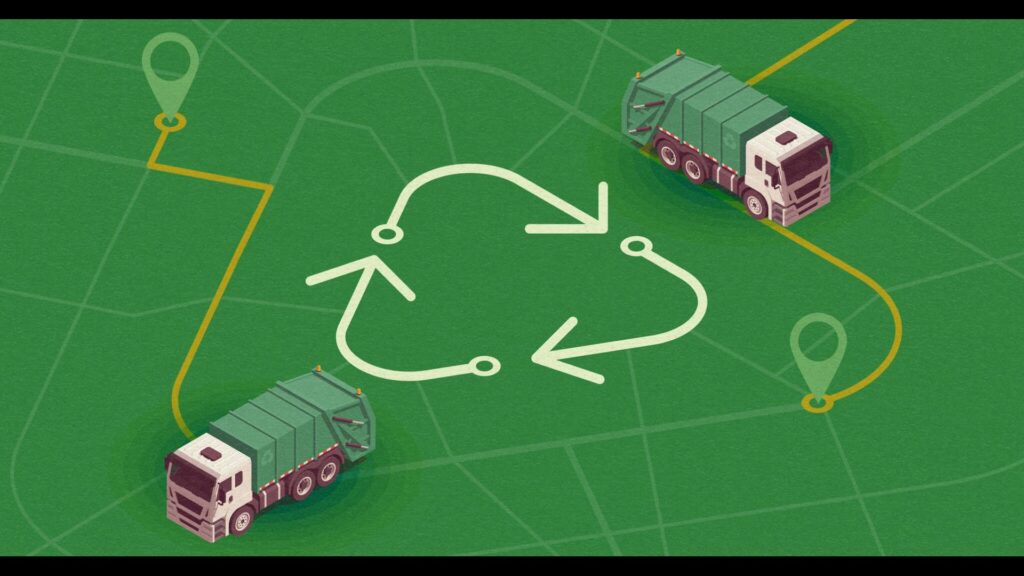
Artificial Intelligence (AI) is emerging as a powerful tool to help sort waste and divert recyclable materials away from landfills. Let’s look at some innovative solutions that improve recycling, prolong the life of existing landfills, and help us achieve our sustainability goals.
The growing waste problem
The United States leads the world in waste generation per capita, with each citizen producing an average of 1800 pounds of waste per year. Despite efforts to manage this waste, only 24% is currently recycled. This starkly contrasts with countries like South Korea and Germany, which recycle nearly 60% and 50% of their waste, respectively. This inefficiency not only strains landfill capacities but also worsens environmental and health issues.
Landfills destroy natural habitats, with over 1.8 million acres of land being used as active landfills, in addition to 6 million acres lost to landfills closed in the past. Emissions from landfills pose significant health risks to nearby communities, increasing the likelihood of congenital malformations in children by 12% and decreasing property values.
To tackle such issues, several states have taken significant steps to address the waste management crisis. Vermont has banned all recyclables from landfills. Meanwhile, Maine has introduced stringent producer responsibility laws requiring companies to manage their products and packaging long after consumers use them.
Read the entire article here