Did you know methane is a more potent greenhouse gas than carbon dioxide? Uncaptured methane is 84 times more harmful than carbon dioxide, making it a significant driver of climate change. Landfills are the U.S.’s third-largest source of human-related methane emissions, accounting for 15.1% of emissions, second only to agriculture and fossil fuels.
As we confront the climate crisis, addressing landfills’ environmental impact is critical. Landfills not only warm our planet but also pollute water sources through underground leachate, expose the public to harmful substances, and rob us of crucial land that could be put to better use. Let’s explore these challenges and understand how artificial intelligence can help tackle them.
What’s The Problem With Landfills?
Landfills pose four key challenges today:
1. Methane Emissions: Over 1,100 municipal landfills emitted at least 3.7 million metric tons of methane in 2021. This is equivalent to the emissions from 66 million gasoline-powered vehicles over a year. Apart from wrecking the planet, methane poses a significant fire hazard. When landfill gas collection systems pull in excess air from outside, the increased oxygen could cause fires within the landfill, which can be incredibly difficult to extinguish.
On the other hand, dry spells can cause fires on the landfill surface. “When you have a few weeks of dry weather over the summer, landfill cover materials such as wood chips could ignite pretty quickly with just a small spark,” says Gregory Seher, director of solid waste of Atlantic County Utilities Authority. Both types of fire can be dangerous. For example, a landfill in Alabama recently caught fire and burnt for four months non-stop.
2. Leachate Pollution: Leachate, the liquid that drains or leaches from a landfill, could enter nearby water bodies. This poses a severe threat to the environment and public health. In 2021, the president of Oil Chem, Inc. was sentenced for illegally discharging over 47 million gallons of landfill leachate into the sanitary sewer system in Flint, MI, for over eight and a half years. “The risk of leachate leaks into groundwater is extremely high in older landfills that lack protective liners or geomembranes, unlike newly built landfills,” says Tyler Bandemer, solid waste management superintendent at the City of Loveland.
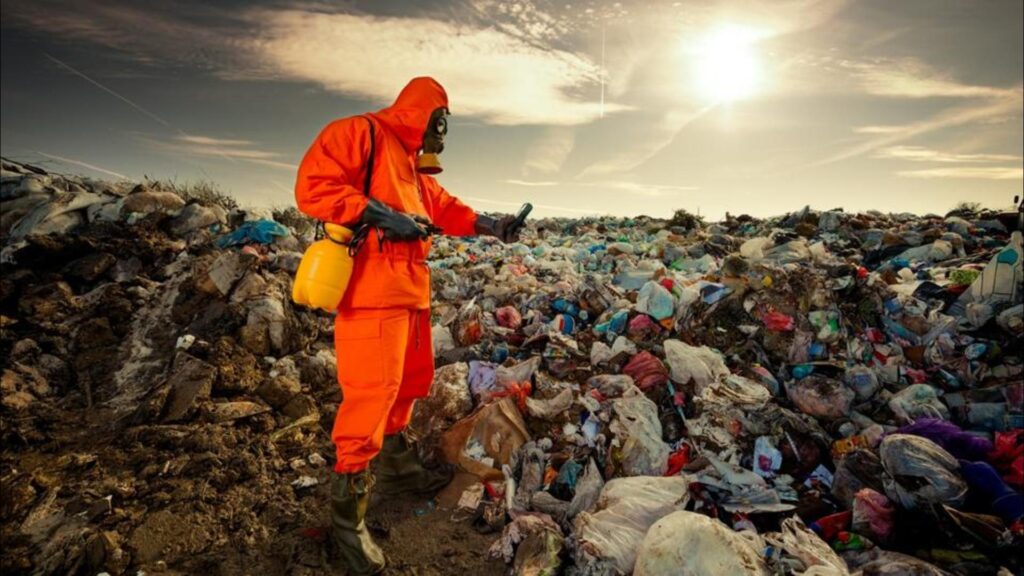
3. Exposure to Hazardous Substances: People living near landfills are vulnerable to exposure to hazardous substances. This is exceptionally high during inclement weather or other natural disasters that could slice open the toxic waste sites and spread contaminants into the neighborhoods. For example, 945 superfund landfill sites are vulnerable to severe weather events, potentially exposing about 21 million Americans to harmful chemicals like lead, arsenic, and mercury.
4. Space Constraints: With landfills averaging 600 acres, each landfill is created by destroying natural habitats of flora and fauna. The U.S. has over 3,000 active landfills and 10,000 closed ones. This has resulted in losing as much as 1,800,000 acres of habitat. As landfills reach capacity, finding new sites for waste disposal has become increasingly difficult. This is due to environmental regulations and resistance from adjoining communities. “No one wants a smelly landfill in their backyard,” quips Tyler Bandemer.
Tackling Landfill Challenges With Artificial Intelligence
Addressing such systemic challenges requires innovative solutions. Companies have been turning to data and AI to tackle the problems.
Read entire article here