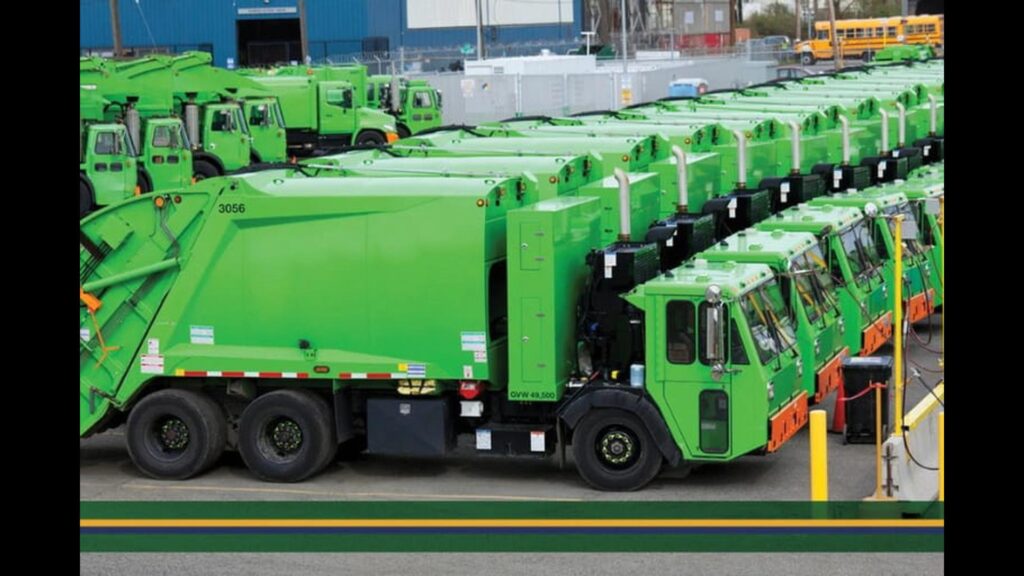
The waste collection industry generated $69 billion in revenue in 2024, accounting for over two-thirds of the total US waste and recycling revenue. Logistics is the cornerstone of this industry, given its heavy reliance on trucks to deliver essential services.
Nearly 180,000 refuse trucks operate across the United States six to seven days a week, making over 1,000 stops every day. These vehicles endure punishing schedules and rough conditions daily, making breakdowns common and very costly.
Why downtime is waste management’s biggest hidden cost
When a garbage truck breaks down, missed pickups ripple across neighborhoods, complaints surge, and emergency logistics drive costs higher. Each day of downtime directly cuts productivity and erodes service reliability.
“I face downtime daily,” says Michael Laskowski, director of asset and fleet of Austin Wood Recycling. He told me, “Downtime is devastating because it’s a hidden cost that is easily ignored. It’s not only the loss of that equipment, but the serious impact it has on your overall production schedule.”
Top 3 costly maintenance challenges for fleet operators
1. Costly breakdowns and unplanned repairs
Garbage trucks frequently fail due to their extreme duty cycles. Stopping and starting hundreds of times daily, and exposure to corrosive waste put immense strain on mechanical systems such as brakes, hydraulics, and transmissions.
Average annual breakdown costs exceed $5,000 per truck, and roadside repairs can be up to four times more expensive than shop-based maintenance. Beyond direct expenses, breakdowns cause labor overtime, rerouting, delayed pickups, and missed service-level agreements. Not surprisingly, this is the top factor that keeps fleet managers awake at night.
2. Unexpected parts shortages and emergency procurement costs
One of the major contributors to downtime is the parts unavailability when they are urgently needed. Without visibility into component wear, managers face unexpected shortages at critical moments, forcing costly emergency procurements, limited vendor choice and shipping delays.
A city fleet audit revealed only 21% of requested parts were available timely, while nearly 40% took more than 48 hours to arrive. These delays stall repairs, keeping trucks idle and costing fleets valuable uptime.
3. Recurring repairs due to quality and skill gaps
Inconsistent repair quality frequently disrupts fleet operations. The same audit referenced above indicated that 24% repairs on Class 8 vehicles, such as garbage trucks, failed within 60 days. These vehicles made an average of 16 trips to the garage each year, often for the same problem.
This can be traced back to a declining technical workforce, overworked technicians, a lack of standard repair procedures and rushed diagnostics. Each repeat repair increases costs, reduces availability, and undermines confidence in maintenance.
Read entire article here