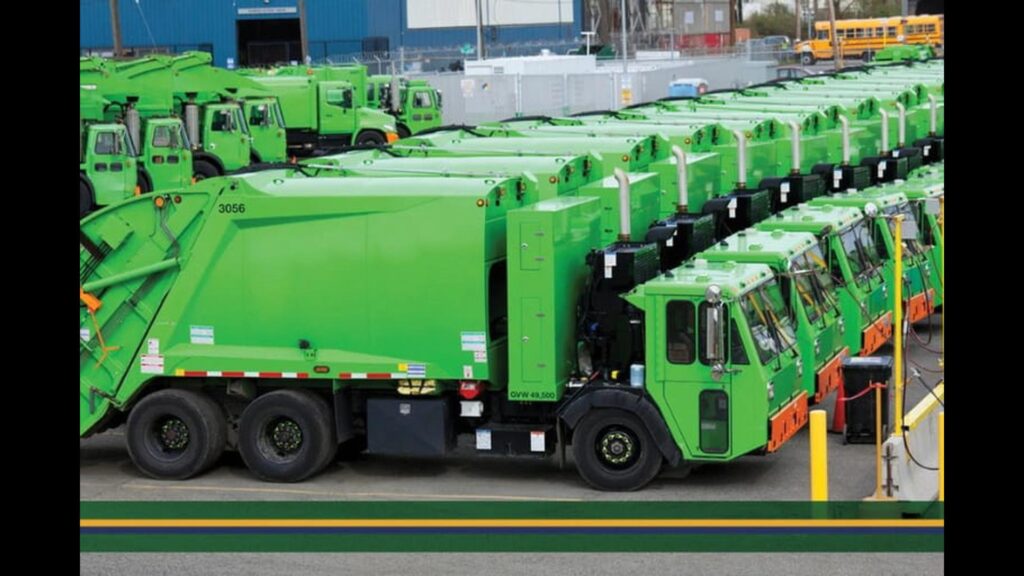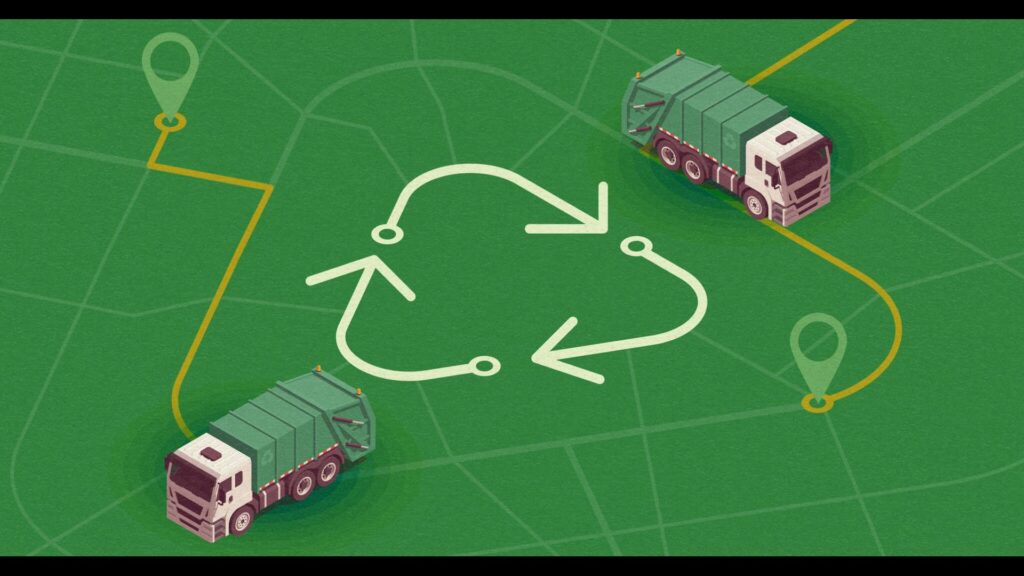
6:30 AM — Before
The day starts with a list that already feels outdated.
A technician walks into the shop and scans the board. Three vehicles are down. Two more came in late last night. No clear diagnosis yet. One driver reported a noise. Another mentioned a warning light that disappeared.
The morning is spent figuring out where to start.
Tools come out. Panels come off. Time goes into diagnosing before any actual repair begins. One issue turns out to be minor. Another reveals a deeper failure that could have been prevented days ago. Parts are not in stock. The vehicle sits.
Then the day shifts.
A truck breaks down on route. Everything stops. The team scrambles. Planned work is pushed aside. This pattern is not random. Breakdowns like no-start events, DPF failures, and PTO outages often show warning signs days in advance, but they are rarely acted on in time.
By the end of the day, more time has gone into reacting than executing. The workload feels heavy, not because of volume, but because of constant unpredictability.
6:30 AM — After
The same technician walks in. The board looks different.
Instead of a list of breakdowns, there is a prioritized set of interventions. Vehicles are flagged based on risk, not failure. The system highlights which components are likely to degrade and when.
This is where AI-powered maintenance software changes the starting point of the day.
The technician knows where to begin and why.
The first job is not a breakdown. It is a targeted intervention on a vehicle where a component is showing late-stage wear, the kind that typically leads to failure if left unaddressed for another few days or cycles. The required part is already available. The repair is completed before it turns into a roadside issue.
There is less time spent diagnosing unknown problems. More time is spent executing known ones.
Interruptions do not disappear, but they become less frequent. Fewer vehicles fail without warning. Planned work is no longer constantly derailed.
This is how fleet reliability AI solutions begin to reshape technician workloads.The total amount of work may not decrease, but the nature of the work changes.
Technicians spend less time chasing problems and more time preventing them.
What actually changes
AI-powered fleet maintenance software does not replace technician effort. It reallocates it.
Time shifts away from reactive diagnostics toward planned interventions. Workflows become more stable. Parts planning improves because failures are anticipated rather than discovered late.
Over time, this leads to fewer repeat issues, fewer emergency repairs, and a more consistent pace of work.
The role itself evolves.
Technicians are no longer just responding to breakdowns. They are acting on late-stage risk signals, intervening at the point where failure is imminent but still avoidable. That shift is what enables predictive maintenance software to extend vehicle life while making maintenance execution more controlled and consistent.
For fleets, the impact is not just higher uptime. It is a maintenance function that runs with more control, less disruption, and better use of skilled labor.