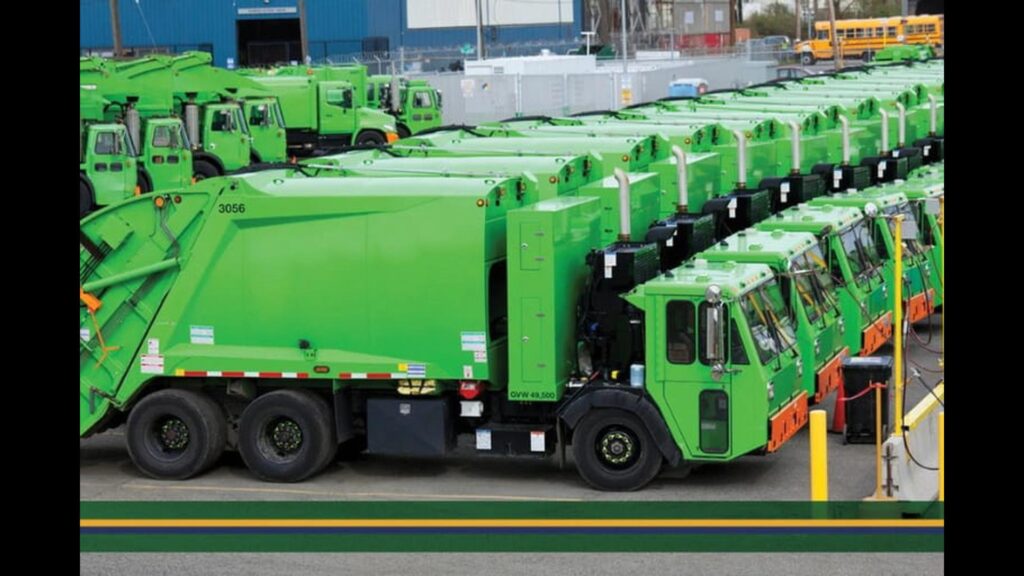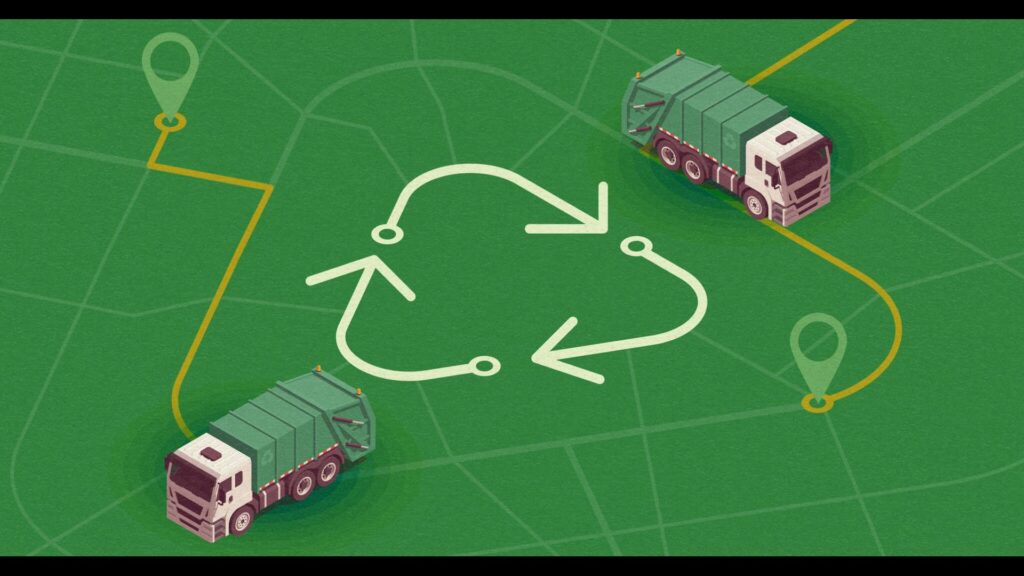
Fleet maintenance has always been a cornerstone of logistics and transportation. Keeping vehicles in peak condition ensures safety, compliance, and operational efficiency. Traditionally, maintenance software focused on scheduling, record-keeping, and compliance tracking. But with the rise of artificial intelligence (AI), fleet maintenance software is undergoing a dramatic transformation.
AI doesn’t just digitize existing processes, it redefines them. By leveraging sensor data, predictive analytics, and machine learning, AI-powered fleet maintenance software helps operators cut costs, reduce downtime, and extend vehicle lifespans. This blog explores what makes AI different, why it matters, and how it’s reshaping fleet operations in the U.S. and beyond.
Traditional Fleet Maintenance Software: The Baseline
Before AI integration, fleet maintenance software primarily offered:
- Scheduling Tools: Automated reminders for oil changes, inspections, and part replacements.
- Record Management: Digital logs of repairs, warranties, and compliance documents.
- Regulatory Compliance: Ensuring fleets met DOT and EPA standards.
- Basic Analytics: Reports on maintenance costs and service frequency.
While useful, these systems were reactive, responding to breakdowns or following fixed schedules without considering real-time vehicle health.
What Makes AI Different?
AI-powered fleet maintenance software introduces predictive, proactive, and intelligent capabilities that go far beyond traditional systems.
- Predictive Maintenance
- AI analyzes sensor data (engine temperature, brake wear, tire pressure) to forecast failures before they occur.
- Fleets can schedule repairs strategically, avoiding costly breakdowns.
- Real-Time Diagnostics
- Continuous monitoring of vehicle health through telematics and IoT devices.
- Instant alerts when anomalies are detected, enabling immediate corrective action.
- Data-Driven Decision Making
- Machine learning models identify patterns across entire fleets.
- Managers gain insights into which vehicles need attention, which parts fail most often, and how to optimize maintenance budgets.
- Integration Across Systems
- AI platforms unify data from mixed fleets, overcoming fragmentation challenges.
- Maintenance, safety, and compliance data are centralized for holistic management.
- Automation of Routine Tasks
- AI automates scheduling, parts ordering, and reporting.
- Reduces administrative burden and frees managers to focus on strategic decisions.
Sensor Data: The Fuel for AI
The real differentiator is sensor data. Modern vehicles generate thousands of data points daily:
- Engine performance metrics
- Tire pressure and wear levels
- Brake system diagnostics
- Fuel efficiency and emissions
- Driver behavior patterns
AI transforms this raw data into actionable insights, enabling fleets to move from reactive maintenance to predictive and prescriptive strategies.
From AI to Savings
AI-driven fleet maintenance software delivers measurable financial benefits:
- Reduced Downtime: Predictive maintenance keeps vehicles on the road longer.
- Lower Repair Costs: Early detection prevents expensive part replacements.
- Extended Vehicle Lifespan: Proactive care reduces wear and tear.
- Fuel Efficiency: Optimized engine performance lowers fuel consumption.
- Insurance Savings: Improved safety records reduce premiums.
Industry studies show fleets adopting AI-powered maintenance cut costs by up to 30% and downtime by nearly 50%.
Safety and Compliance Advantages
AI doesn’t just save money, it enhances safety and compliance:
- Accident Prevention: Early detection of brake or tire issues reduces crash risks.
- Regulatory Compliance: Automated reporting ensures adherence to DOT and EPA standards.
- Driver Confidence: Knowing vehicles are monitored in real time boosts morale and trust.
This makes AI-powered software a strategic safety tool as well as a financial one.
AI in Action: Real-World Examples
- Large Fleets: Enterprises managing hundreds of trucks use AI to coordinate maintenance across regions.
- Small Fleets: Operators with fewer vehicles benefit from reduced downtime and better resource allocation.
- Mixed Fleets: AI platforms unify data from different vehicle brands, overcoming fragmentation challenges.
Companies like Geotab, Motive, and Samsara are leading the charge, embedding AI into fleet management platforms to deliver predictive insights and real-time diagnostics.
Challenges and Considerations
Despite its promise, AI adoption faces hurdles:
- Data Privacy: Protecting sensitive driver and vehicle data is critical.
- Integration Complexity: Mixed fleets may struggle with fragmented systems.
- ROI Concerns: Smaller operators may hesitate to invest in advanced platforms.
However, as sensor technology becomes more affordable and AI models more accurate, these barriers are steadily diminishing.
The Future of Fleet Maintenance Software
AI is not just an upgrade, it’s a paradigm shift. Future developments will include:
- Generative AI: Simulating scenarios to recommend optimal maintenance schedules.
- Autonomous Diagnostics: Vehicles self-reporting issues directly to maintenance platforms.
- Sustainability Integration: AI tracking emissions and optimizing EV charging schedules.
The fleets that embrace AI today will lead tomorrow’s logistics landscape, combining efficiency, safety, and sustainability.
Conclusion
Fleet maintenance software has evolved from simple scheduling tools to intelligent platforms powered by AI. What makes AI different is its ability to transform sensor data into actionable insights, enabling predictive maintenance, real-time diagnostics, and proactive decision-making.The result? Safer fleets, lower costs, and smarter operations. AI is not just reshaping fleet maintenance, it’s redefining the future of transportation.