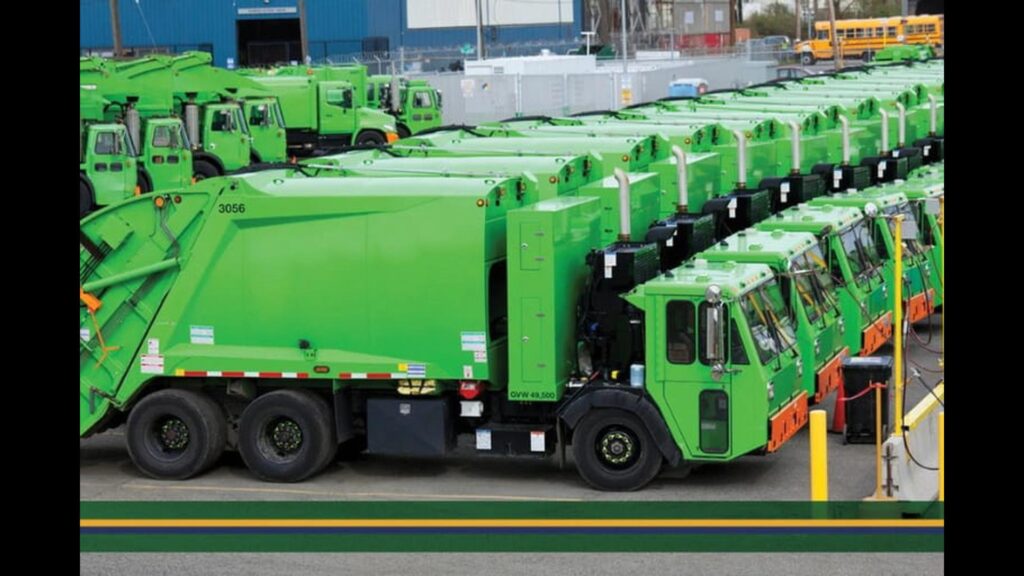
Fleets rarely break down in obvious ways and they do not typically fail without warning. Components degrade gradually under real operating conditions until performance drops enough to trigger a fault or lead to a failure. For waste, construction, and freight fleets, this often shows up as unexpected downtime, missed routes, or equipment that cannot perform its job when needed.
Fleet telematics systems have made large volumes of operational data available, but most fleets still use that data reactively. The shift to predictive fleet reliability comes from using that same telematics data to identify early signals of degradation before failures occur powered by telematics predictive maintenance
Three operational reasons reliability gaps persist
1) Fixed maintenance schedules ignore real usage
Most fleets rely on mileage or hour-based intervals. Two identical vehicles operating under different routes, loads, and environments experience very different wear patterns. Fixed schedules fail to capture this variation, leading to both premature maintenance and missed early failures.
2) Failures emerge from interacting factors
Breakdowns are rarely caused by a single issue. Electrical load, temperature, vibration, duty cycle, and operator behavior interact over time. These combined effects are difficult to detect through periodic inspections or isolated fault codes.
3) Data is available but underutilized
Telematics platforms capture large amounts of operational data, but it is often used for tracking and compliance rather than health monitoring. Without structured analysis, early warning signals remain buried in raw data.
How predictive maintenance works using AI and telematics time-series data
Predictive maintenance transforms telematics data into a continuous view of asset health. Instead of reacting to failures, fleets use AI models to detect deviations from normal operating behavior, acting as a fleet breakdown prevention tool.
These models analyze telematics time-series operational data such as:
- Voltage, pressure, and temperature trends over time
- Engine run cycles, idle duration, and trip patterns
- Load conditions inferred from fuel use and operating context
- Vibration and performance variations during operation
- Frequency and pattern of fault codes or system events
The key step is establishing a baseline. Each vehicle develops a “normal” operating profile based on its duty cycle and environment. AI models then track how real-world behavior evolves against that baseline.
As components begin to degrade, small changes appear in the data. Voltage may decay faster overnight, temperatures may rise under similar loads, or regeneration cycles may become more frequent. Individually, these signals may not trigger alerts. Combined and tracked over time, they indicate increasing failure risk.
From an operational perspective, predictive systems do not just flag anomalies. They translate patterns into actionable outputs such as risk scores, likely failure modes, and recommended interventions. This allows maintenance teams to act before a breakdown disrupts operations.
What this means for fleet operators
Predictive maintenance changes how fleets operate. Instead of responding to failures, teams gain early visibility into which vehicles are trending toward risk and can intervene during planned service windows.
This improves uptime, reduces emergency maintenance, helps stock sufficient spares, and helps reduce fleet downtime costs by aligning service decisions with actual vehicle behavior rather than assumptions. Over time, reliability becomes a managed outcome, driven by data and early intervention rather than reactive fixes.