By the time a fault code appears on a diagnostic screen, the problem has usually been building for weeks. The code is not the start of the failure. It is the system finally admitting one has already begun.
This is the gap most fleets are operating in without realizing it. Maintenance teams respond to what surfaces, and what surfaces is almost always late.
The Signal That Arrives Too Late
Fault codes are reactive by design. They are thresholds, not early warnings. When a DPF system, an engine component, or an exhaust-related part crosses a set parameter, the code fires. But the degradation that triggered it started well before that moment.
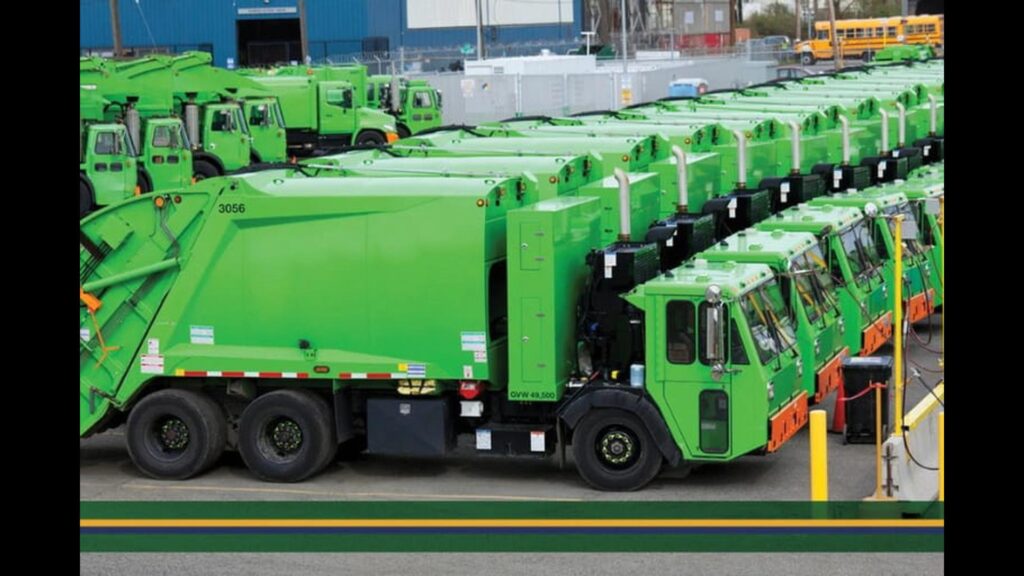
In high-utilization environments like waste collection routes, construction equipment cycles, or long-haul freight corridors, that lag matters. A vehicle that throws a code on a Monday morning may have been showing stress patterns for two to three weeks prior. By the time it enters the shop, the repair scope is larger, the parts cost is higher, and the downtime is less predictable.
Scheduled maintenance intervals do not solve this either. A truck serviced on calendar or mileage cycles could be inspected clean on a Friday and fail the following Tuesday, depending on operating load, heat, idle accumulation, and route conditions. The schedule gives a false sense of coverage.
What AI Is Now Reading
Predictive maintenance platforms built on telematics data are designed to operate in the space between normal function and a fault code. They monitor telematics time-series data continuously and build a behavioral baseline for each vehicle. When a component starts deviating from that baseline, whether through temperature trends, vibration signatures, pressure shifts, or exhaust system behavior, the system flags it.
The phrase that appeared in a recent Transport Topics feature put it cleanly: AI is catching “the whisper before the scream.”
That whisper is detectable. The issue has been that traditional diagnostics were not built to hear it.
What makes the newer generation of predictive tools more operationally useful is not just detection. It is translation. Instead of handing a technician a fault code or a raw sensor anomaly, the system generates a plain-language recommendation. Something like: schedule a forced regen on this unit within the week. That specificity reduces the interpretation burden on shop teams and improves the likelihood that the insight actually drives action.
What the Numbers Look Like in Practice
In one documented deployment with a waste hauler in Maine, a predictive maintenance platform reduced exhaust-related repairs by 41% within ten weeks, saving approximately $1,600 per truck.
That outcome is not from doing more maintenance. It is from doing it at the right point in the degradation curve, before the component fails under load, before a tow is required, and before the repair snowballs into adjacent systems. Consistently catching failures at that earlier stage is also how predictive maintenance extends vehicle life. Components that might have been replaced prematurely or run to catastrophic failure instead get serviced at the moment that preserves the most useful life.
For fleets running dozens or hundreds of vehicles through demanding duty cycles, the compounding effect of those earlier interventions is substantial.
The Operational Shift
The question for maintenance directors is not whether this data exists. Modern telematics platforms are already collecting it. The question is whether the tools interpreting it are working ahead of the failure curve or behind it.
Fleets that are moving forward on this are building an operational advantage that is difficult to close once the data history accumulates. The ones still waiting for a fault code to drive their decisions are working with a fundamentally reactive model, regardless of how good their technicians are.
For a detailed look at how Knight-Swift and other carriers are applying AI across maintenance and operations, including real deployment results and what industry leaders like our founder Ganes Kesari are saying about adoption, the full Transport Topics feature is worth reading: AI Provides a Predictive Edge for Fleet Maintenance