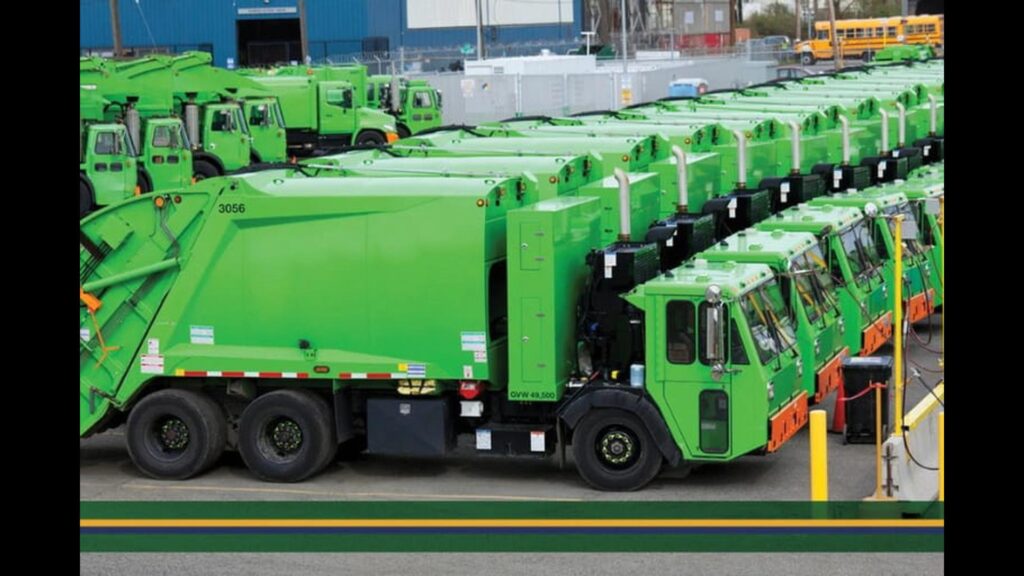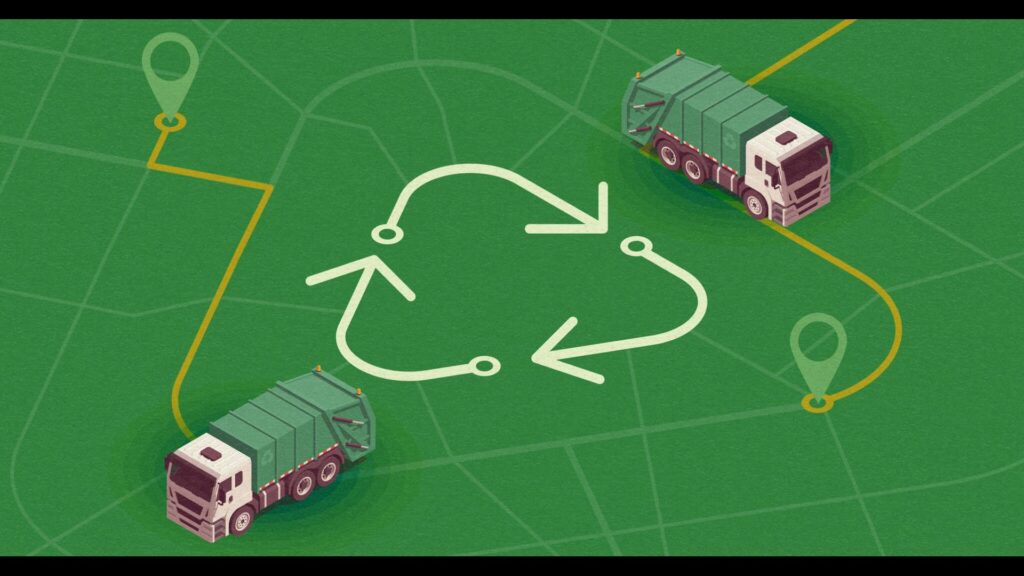
Battery failure remains one of the most common and disruptive causes of vehicle downtime across waste collection, construction, and freight fleets. According to RAC’s commercial-vehicle breakdown data, battery issues account for 18% of all breakdown call-outs, making them the single largest cause of roadside assistance events in business fleets. RAC
A single no-start incident can derail a waste route, idle a construction crew, or delay a freight delivery with cascading cost and service impacts. What makes battery failures especially costly is that they are rarely sudden. They develop gradually and are often invisible to traditional maintenance checks.
Three reasons batteries fail in fleet operations
1) Chronic undercharging and partial state of charge
Waste and freight vehicles frequently operate on short routes with high stop frequency, while construction equipment often idles extensively on job sites. These patterns prevent batteries from reaching or maintaining full charge. Research published in recent automotive and energy journals shows that repeated partial state-of-charge operation accelerates internal resistance growth and reduces usable battery capacity, even when the battery appears normal in spot checks.
2) Vibration and harsh duty cycles
Construction and waste fleets operate in high-vibration environments such as uneven roads, landfills, and job sites. Peer-reviewed studies demonstrate that sustained vibration degrades internal battery components and electrical connections, increasing failure risk. These issues often present as intermittent no-start events, making them difficult to diagnose through scheduled inspections.
3) Behavior-driven electrical load creep
Modern fleet vehicles carry an expanding set of electrical loads including cameras, route tablets, compactors, PTO controls, safety systems, and sensors. Over time, these additions raise baseline electrical demand and increase parasitic draw during parked periods. Research links improper module sleep behavior and parasitic drain directly to repeated battery discharge and early failure.
How predictive maintenance solves this using AI and telematics data
Predictive maintenance powered by AI transforms battery care by monitoring real operating behavior and identifying failure risk well before breakdowns occur.
AI models ingest continuous telematics and sensor data, such as:
- Resting voltage trends overnight or over weekends
- Crank voltage dips and recovery shapes
- Charge system behavior during engine-on periods
- Idle time, run cycles, temperature exposure
- Patterns of accessory load and discharge rates
Once the system understands normal behavior for each vehicle and duty cycle, machine-learning algorithms begin spotting deviations that predict imminent failure. Predictive maintenance reduces unplanned downtime by up to 50% and maintenance costs by 18–25% compared with traditional approaches, based on research synthesizing industry implementations. IIoT World
From a technical perspective, AI is effective because it detects subtle trends in electrical signatures that human inspectors cannot observe with periodic checks. Instead of waiting for a voltage check or a failed start, predictive systems produce risk scores and alerts keyed to real data patterns, allowing maintenance teams to intervene before a no-start event.
What this means for fleet operators
AI-driven battery predictive maintenance shifts fleets from reactive response to operational control. Instead of discovering issues at failure, teams gain early visibility into which vehicles are trending toward risk and why.
This enables battery interventions to be planned alongside scheduled service, reducing the disruption of roadside failures. In waste and construction operations, where daily vehicle availability directly affects service delivery, this predictability is more valuable than marginal efficiency gains.
Predictive insights also sharpen maintenance decisions. By separating battery degradation from parasitic draw and charging system issues, fleets reduce repeat failures and unnecessary replacements, improving root-cause accuracy and fleet-level planning.Overall, batteries move from being an unpredictable failure point to a managed reliability variable, improving uptime and operational stability without adding complexity to frontline teams.