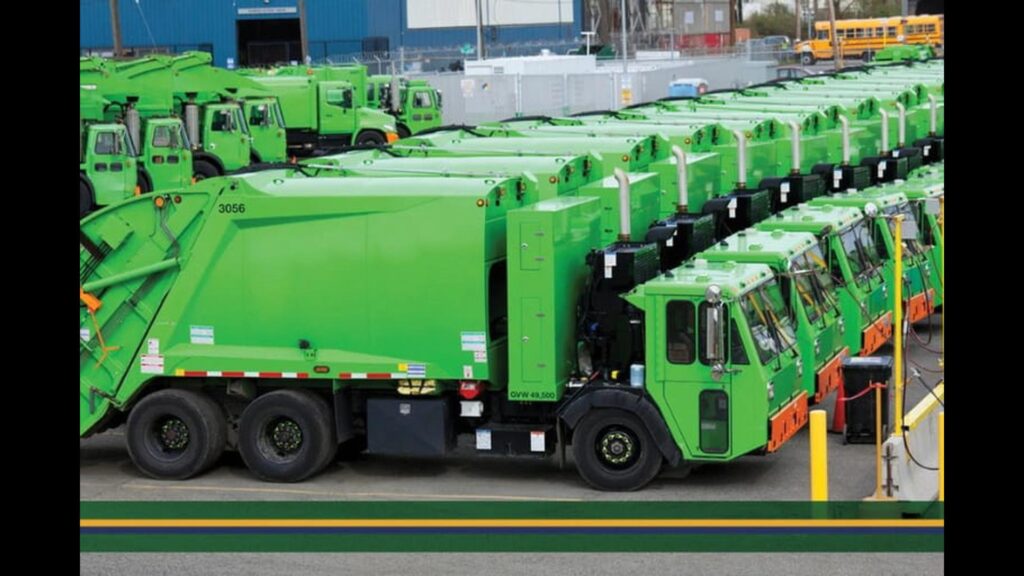
In modern fleet operations, Power Take-Off (PTO) systems are critical for vehicles that rely on auxiliary equipment, whether it’s powering hydraulic lifts, refrigeration units, or specialized machinery. When a PTO system fails, it doesn’t just stop the equipment, it can halt operations, delay schedules, and increase costs. That’s why detecting PTO system failures early is essential for fleet managers and operators who want to maximize uptime and efficiency.
🔍 What Is a PTO System?
A Power Take-Off (PTO) system transfers engine power to auxiliary equipment. Common applications include:
- Dump trucks (hydraulic lifts)
- Utility vehicles (cranes, winches)
- Refrigerated trucks (cooling units)
- Agricultural machinery (tractors, harvesters)
Because PTO systems are heavily used in specialized fleets, their reliability directly impacts productivity.
🚨 Common Causes of PTO Failures
Understanding why PTO systems fail helps in detecting issues early. Frequent causes include:
- Hydraulic leaks leading to pressure loss
- Worn gears or bearings causing mechanical inefficiency
- Electrical faults in control systems
- Improper lubrication resulting in overheating
- Operator misuse or overloading
📊 Early Detection Through Telematics & Predictive Maintenance
Modern fleet telematics and predictive analytics make it possible to spot PTO issues before they escalate. Key strategies include:
- Real-time monitoring of hydraulic pressure, temperature, and electrical signals
- Fault code analysis from onboard diagnostics
- Trend detection (e.g., gradual increase in operating temperature)
- AI-powered alerts that flag anomalies before failure occurs
By integrating PTO monitoring into fleet management systems, operators can schedule proactive maintenance instead of reacting to breakdowns.
🚀 Benefits of Early PTO Failure Detection
- Reduced downtime: Keep vehicles and equipment operational.
- Lower repair costs: Fix minor issues before they become major failures.
- Improved safety: Prevent accidents caused by sudden PTO malfunctions.
- Optimized fleet performance: Ensure auxiliary equipment runs smoothly.
🛠️ Best Practices for Fleet Managers
- Implement telematics solutions with PTO monitoring capabilities.
- Train operators to recognize early warning signs.
- Schedule routine inspections focusing on hydraulic and electrical systems.
- Leverage predictive maintenance tools to forecast potential failures.
🌍 The Future of PTO Reliability
As fleets adopt AI-driven predictive maintenance, PTO systems will become more reliable and cost-efficient. Detecting failures early isn’t just about saving money, it’s about ensuring operational continuity and building trust with customers.