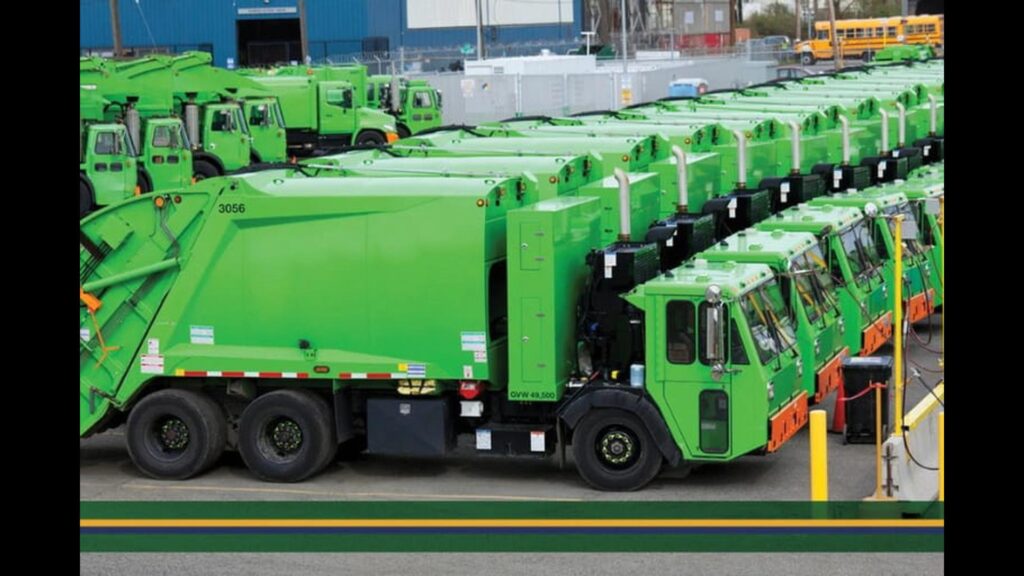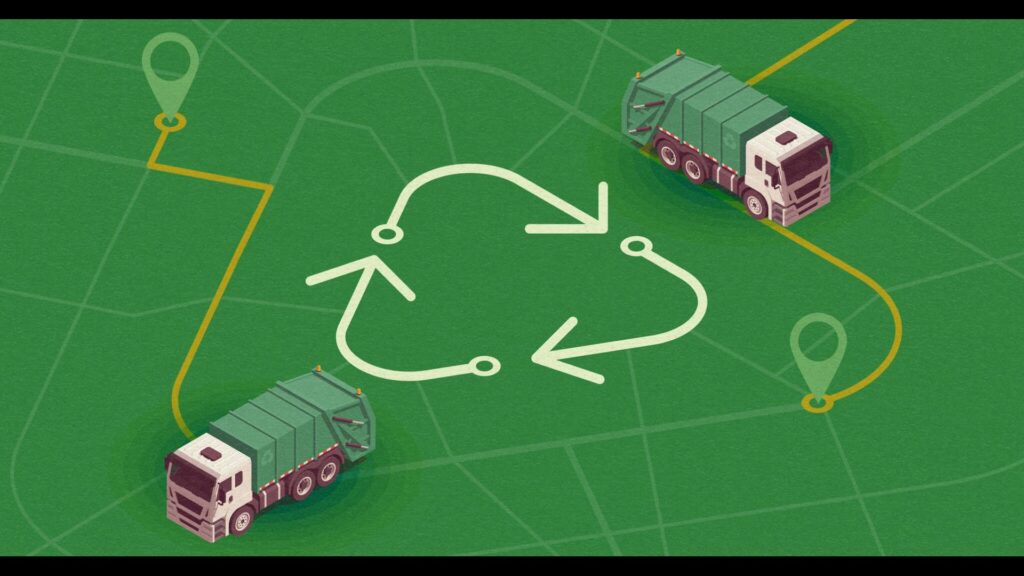
The truck that keeps coming back
Every fleet has one. Unit 214 goes in for a derate, comes out, runs three weeks, and derates again. Different technician, different shift, sometimes a different shop. Each visit is closed correctly. The truck still comes back.
Repeat repairs never look expensive on a single work order. They look expensive at the end of the quarter, when one unit has absorbed four visits, three parts, and eleven days out of service for what the records describe as three unrelated jobs.
What the bay actually receives
A technician opening that hood gets a fault code, a driver complaint, and a truck. What they usually do not get is the trail behind it: the same code fired twice in the last sixty days, coolant temperature drifting upward under load since April, and a duty cycle made up of short routes and long idle.
That trail exists. It sits in telematics feeds, work order history, and parts records that are rarely read together. Without it, the fault in front of the technician looks like a new event instead of the third appearance of an old one. The diagnosis is sound. The inputs are incomplete.
What changes when the history is read first
AI-driven predictive maintenance runs on the same data, read differently. Models learn what normal looks like for each vehicle and each component under its real operating conditions, not a catalog average. They track how heat, load, vibration, idle time, and fault frequency move over weeks rather than judging a single snapshot.
When the same subsystem drifts repeatedly, the pattern surfaces as one story instead of three tickets. The system ties the current code to prior repairs on that unit, identifies which component is actually degrading, and states what should be done next and when. That last part matters. A prediction that only says a failure is coming leaves the bay where it started. A recommendation names the next course of action to resolve it. That gap is what fleets say they want closed.
Among fleets not yet using AI, service recommendations and failure prediction ranks first on the list of capabilities they want, at 45%, ahead of admin automation and PM scheduling. Among fleets already running AI, only 26% have it. (Source: Fleetio 2026 Fleet Benchmark Report)
Technicians keep the judgment call. What they get is the context that used to take an hour of digging through records to reconstruct, available before they pick up a wrench.
What this changes for the fleet
Three things move.
Diagnosis starts further along. The first hour goes toward the failing component instead of reconstructing what was already tried.
Repeat spend drops. Fleets save more on truck repairs with AI reading the history than with any additional inspection step, because the second and third visits stop happening. Resolving a root cause before it damages the components around it is also how predictive maintenance extends vehicle life on the units you plan to keep longest.
Patterns travel. A fault that recurs on one unit usually exists on others running the same routes and the same loads. Once the pattern is named, it becomes a fleet-wide check instead of a single repair.
The point is not more maintenance
Failures on commercial vehicles develop over weeks. Fixed service intervals and single-snapshot inspections catch some of that and miss the rest, which is why the same complaint can survive three correct repairs.
Reading history and telematics together closes that gap. The work still happens in the bay, by the same people. It happens at the right time, on the right unit, with the full record already on the screen when the hood goes up.