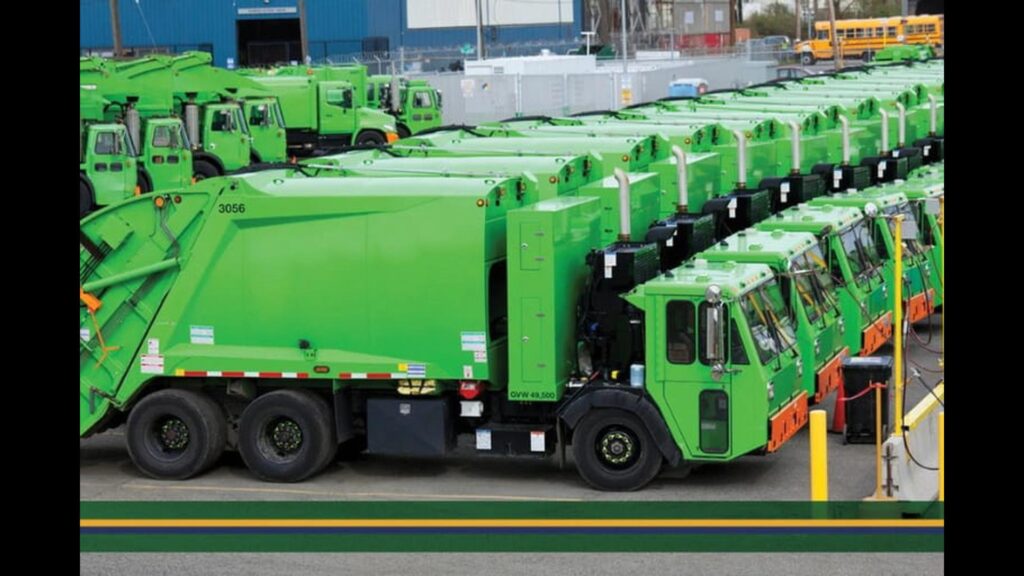
A truck rolls through the yard with clean telematics. No active fault codes, no red flags on the dashboard, engine temperature and pressure readings sitting inside normal range. By every live signal, it looks fine.
Its work order history tells a different story. Three visits in five months for the same coolant loss issue. Two hose replacements that didn’t hold. A pattern any technician who’s worked on that truck for years would recognize instantly, but one that doesn’t show up anywhere on a real-time telematics screen, because telematics only reports what the vehicle is doing right now.
Why the Pattern Gets Missed
Maintenance history and telematics data almost always live in separate systems. The shop tracks work orders, parts used, and repeat visits in one place. Telematics platforms track engine parameters, fault codes, and usage data in another. Neither system is built to read the other.
That separation means a component can pass every live check and still be a repeat failure risk, because the risk isn’t visible in a single sensor reading. It’s visible in the sequence: same fault area, same part, same truck, showing up again within a short window. Reviewed one dashboard alert at a time, that sequence disappears. Reviewed as a pattern across repair history, it’s obvious.
This is also why fixed maintenance intervals fall short here. A truck serviced on schedule can still carry a component with a documented repeat-failure history that the schedule never accounts for, because the interval is the same for every vehicle regardless of what its own records show.
How AI Reads Both Together
AI-powered predictive maintenance software closes that gap by treating repair history and telematics as one dataset instead of two. It learns what normal operating behavior looks like for each vehicle and component, then layers that against the shop’s own records: how often a part has been replaced, how long each repair actually held, and which fault codes tend to precede a repeat visit.
That combination is what turns a routine reading into a useful signal. A coolant temperature blip means little on its own. The same blip on a vehicle with two prior coolant repairs in the last five months means something worth acting on. The model isn’t just detecting a deviation, it’s weighing that deviation against a documented failure pattern specific to that truck.
Repair and maintenance costs for the industry rose 8.6% in 2025, according to ATRI’s Analysis of the Operational Costs of Trucking (July 2026). Repeat repairs on the same component are a direct contributor to that number, and they’re exactly the pattern that’s easiest to miss when history and live data aren’t reviewed together.
What Changes for the Shop
When AI fleet maintenance software connects the two data sources, maintenance teams stop treating every alert the same way. A fault code on a vehicle with no repair history behind it can wait. The same code on a vehicle with a documented pattern moves to the top of the queue.
The outcome isn’t more inspections or more alerts. It’s better-prioritized ones, timed to actual risk rather than a fixed schedule or a single reading. Over time, that’s what lets fleets get real, predictive maintenance that extends vehicle life instead of just reacting to whatever the dashboard shows this week. The technician still makes the call. AI just makes sure the full history is in front of them when they make it.