The Old Way: Reactive Rotation
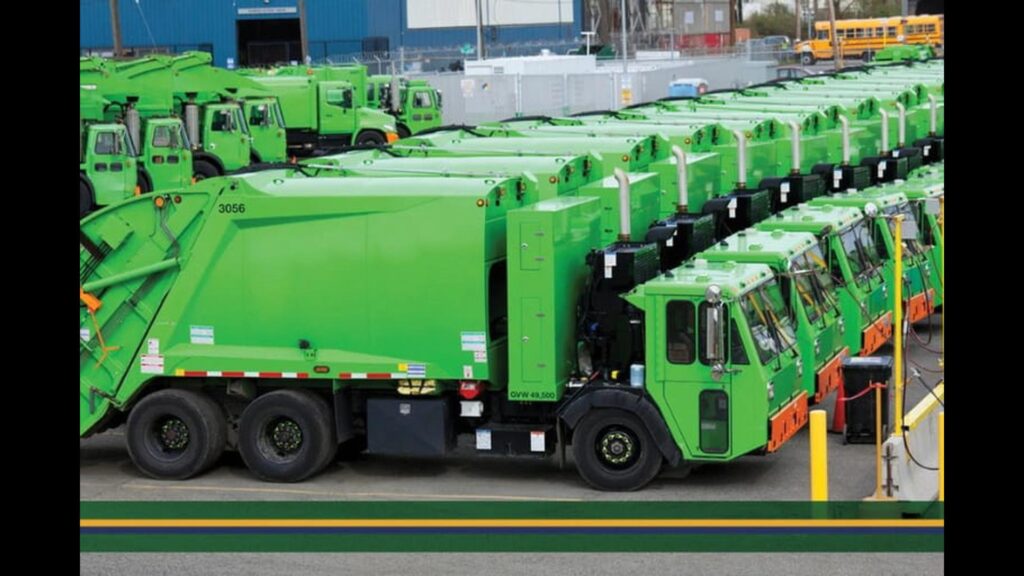
Most fleets manage weekly maintenance attention the same way: inspection due dates, mileage triggers, whichever driver complained loudest. Every truck gets roughly equal attention on a fixed calendar, whether it ran hard in summer heat with a full load or sat idle half the week.
The industry’s own numbers show why. The National Private Truck Council’s 2026 Benchmarking Report found breakdowns per 100,000 miles rose to 4.7, up from 4.2 the year before, even as preventive maintenance currency hit an all-time high: 77 percent of fleets now keep 95 percent or more of their trucks current on PM, up from 60 percent. PM compliance went up. Breakdowns went up with it. That gap is the clearest evidence a calendar is not a risk model.
Risk is never spread evenly across a fleet. A handful of trucks carry most of the near-term failure risk at any time, based on how they have actually been used, not how old they are or when they were last serviced. A calendar has no way to see that.
The New Way: A Ranked List Every Week
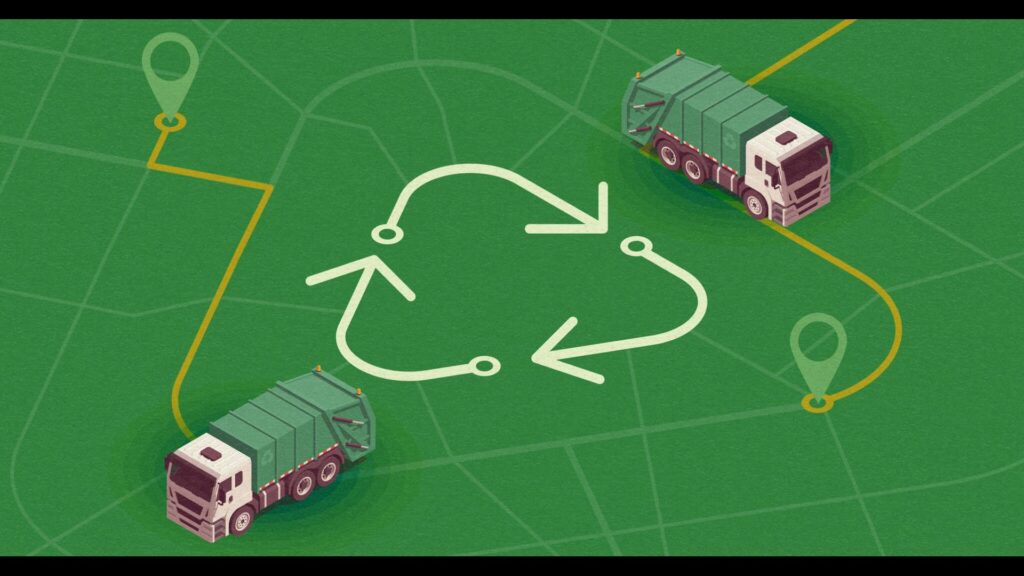
A better model: instead of rotating through the whole fleet, maintenance leads start each week with a short, ranked list of the vehicles most likely to fail soon and the specific system driving that risk.
The list does not replace inspections or scheduled service. It tells the team where to spend the first hour of the week: which trucks to pull in ahead of schedule, which parts to have on hand, and which routes to avoid assigning to a vehicle already carrying elevated risk. Instead of forty trucks getting equal attention, five or six get focused attention, and the rest run their normal schedule.
How the List Gets Built
The ranking comes from telematics data interpreted over time, not a single sensor reading. An AI model learns what normal operating behavior looks like for each vehicle and each major system: engine, brakes, DPF, electrical, cooling. It then tracks how current behavior is drifting from that baseline as heat, load, idle time, and duty cycle accumulate.
When a component’s behavior pattern matches the early signature of a known failure mode, the system does not just flag it. It estimates a window, typically two to three weeks out, and recommends what to do next: which system to inspect, what part to stage, and how urgently. That is what separates a risk list from a dashboard full of alerts. An alert says something changed. A recommendation says what to do about it and by when.
That distinction is what makes the list useful on a Monday morning: it turns scattered telematics signals across the fleet into one prioritized view instead of forty individual data streams nobody has time to review.
What Changes When Ops Runs This Weekly
Run this every week and the shop stops reacting to whichever truck happens to break down that day. Repairs shift from emergency to scheduled, which is consistently cheaper and faster. Parts get ordered ahead of the failure instead of after. Dispatch stops assigning an already-strained truck to the longest route of the week.
Over a few months, the pattern shows up in the numbers that matter to ops leadership: fewer roadside calls, fewer emergency tows, and a shop working a plan instead of a queue. Fleets running this kind of weekly triage find it easier to prevent roadside breakdowns with AI-driven early warning than to keep reacting to them, and the repair bill reflects it. Acting at the right time, not the earliest possible moment, is what lets a fleet save on truck repairs without adding headcount or shop capacity.
The list itself is simple. What makes it valuable is that it gets rebuilt every week from real operating data, not a static schedule that assumes every truck ages the same way.