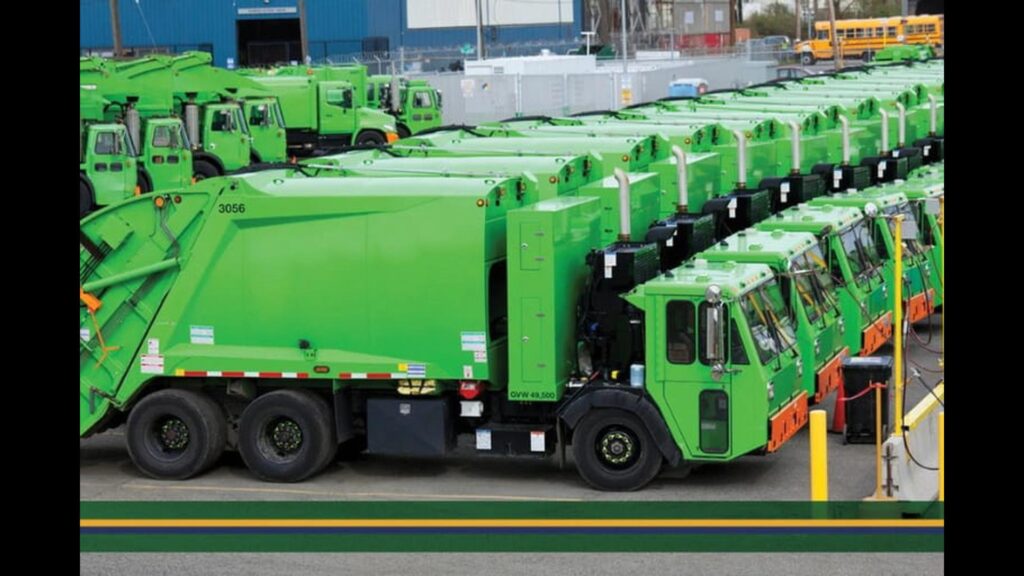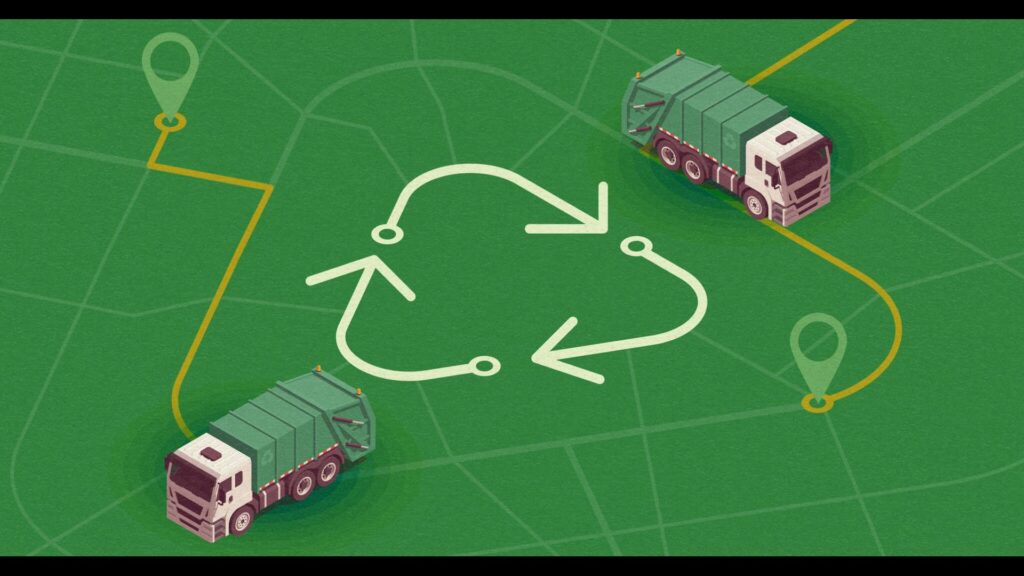
Power Take-Off (PTO) systems are mission-critical in waste collection, construction, and vocational freight fleets. When a PTO fails, the vehicle may still drive, but it cannot do its job. A refuse truck cannot compact, a dump truck cannot unload, and a utility vehicle cannot power auxiliary equipment. The result is operational downtime that is often more disruptive than a full vehicle breakdown.
Unplanned PTO outages are especially costly because they rarely occur in isolation. They disrupt tightly sequenced routes, idle crews, and trigger emergency maintenance that is difficult to schedule around core fleet operations. Like battery failures, PTO failures are typically not sudden. They develop gradually and are often missed by traditional maintenance programs focused on engine or drivetrain health.
Three reasons PTO systems fail in fleet operations
1) Load variability and duty-cycle stress
PTO systems operate under highly variable loads. In waste and construction fleets, frequent engagement, stop-start operation, and peak torque demands accelerate wear on clutches, shafts, pumps, and driven equipment. Two identical vehicles can experience very different PTO lifecycles depending on route density, operator behavior, and equipment usage.
2) Heat and hydraulic degradation
Many PTO-driven systems depend on hydraulics. Excessive heat, fluid breakdown, and contamination slowly degrade pumps, valves, and seals. These issues rarely cause immediate failure but steadily reduce system efficiency until performance drops or a component fails under load.
3) Vibration, alignment, and mounting issues
PTO assemblies are exposed to constant vibration, especially in landfill, job-site, and off-road environments. Over time, misalignment and mounting stress increase mechanical wear, leading to intermittent engagement issues that often disappear during inspections and reappear in the field.
How predictive analytics solves this using operational data
Traditional PTO maintenance is reactive by design. Components are inspected or replaced based on hours or mileage, not on how they are actually used. Predictive analytics changes this by continuously analyzing real operating behavior.
Analytics models ingest operational and telematics data such as:
- PTO engagement frequency and duration
- Load and torque proxies inferred from engine and hydraulic behavior
- Temperature trends during PTO operation
- Vibration patterns when auxiliary equipment is engaged
- Vehicle speed, idle time, and operating context during PTO use
Once normal behavior is established for each vehicle and duty cycle, the system begins identifying deviations that indicate rising failure risk. These changes often appear weeks before a PTO outage would otherwise occur.
This approach aligns with broader findings from McKinsey & Company, which notes that predictive maintenance programs can reduce unplanned downtime by up to 50% by shifting work from emergency response to planned intervention.
Source: https://www.mckinsey.com/capabilities/operations/our-insights/predictive-maintenance
From a practical standpoint, predictive analytics works because PTO failures leave subtle operational fingerprints long before a breakdown. Rising temperatures, longer engagement times, abnormal vibration, or declining performance under similar loads are easy to miss manually but clear in time-series data.
Instead of discovering a problem when a truck can no longer perform its job, maintenance teams receive early risk signals and can intervene during scheduled service windows.
What this means for fleet operators
Predictive analytics shifts PTO maintenance from reactive repair to operational foresight. Fleets gain early visibility into which vehicles are trending toward PTO-related risk and can act before service is disrupted.
This allows PTO work to be planned alongside other maintenance, reducing emergency downtime and avoiding route or job delays. In waste and construction operations, where auxiliary equipment uptime directly determines productivity, this predictability has immediate operational value.Over time, PTO systems move from being an unpredictable failure point to a managed reliability variable, supporting higher uptime and more stable day-to-day operations without adding complexity for frontline teams.