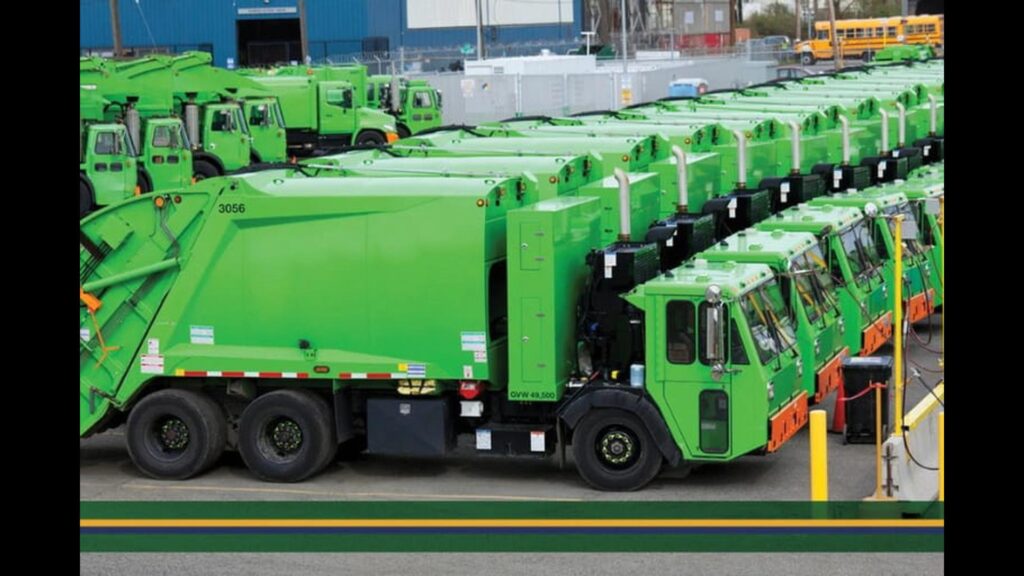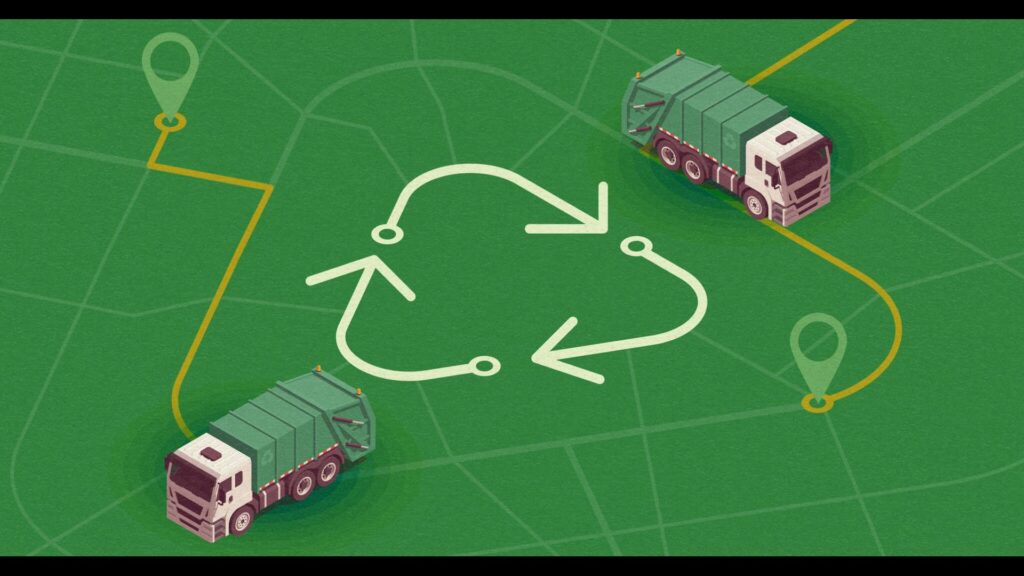
Diesel Particulate Filter (DPF) issues remain a persistent source of downtime and cost in waste, construction, and freight fleets. A clogged or damaged DPF does not usually stop a vehicle immediately, but it steadily degrades performance, increases fuel consumption, and eventually triggers derates or shutdowns. When that happens mid-route or mid-job, the impact cascades across schedules, crews, and customer commitments.
What makes DPF-related downtime especially costly is that it is often managed reactively. Many fleets rely on fixed mileage or hour-based cleaning intervals, or wait for fault codes to dictate action. In reality, DPFs rarely fail suddenly. They load gradually, and the point at which cleaning is required varies widely by duty cycle, operating environment, and vehicle behavior. Predictive maintenance focuses on identifying that inflection point early, before performance and uptime are compromised.
Three reasons DPF cleaning intervals break down in fleet operations
1) Highly variable duty cycles
Waste collection, construction, and regional freight vehicles operate under stop-start conditions, extended idling, and low exhaust temperatures. These patterns inhibit passive regeneration and accelerate soot accumulation. Two identical vehicles can require DPF cleaning at very different intervals depending on route density, idle time, payload, and operating conditions, making fixed schedules unreliable.
2) Incomplete or inefficient regenerations
Active regenerations depend on specific exhaust temperature and operating conditions. Frequent interruptions, short trips, or prolonged idling can prevent regenerations from completing successfully. Over time, this leads to rising backpressure, more frequent regeneration attempts, and increasing thermal stress on the DPF.
3) Ash accumulation masked by soot management
While soot can be burned off during regeneration, ash cannot. Engines with high idle time or oil consumption accumulate ash faster, but this buildup often goes unnoticed until backpressure rises sharply or cleaning becomes unavoidable. Traditional fault-code-based maintenance typically detects this problem late in the degradation curve.
How predictive DPF maintenance works using AI and telematics data
Predictive DPF maintenance replaces fixed cleaning intervals with condition-based decision-making, driven by continuous analysis of real operating behavior.
AI models analyze telematics & sensor data such as:
- Exhaust backpressure trends relative to engine load
- Frequency, duration, and success of regeneration events
- Exhaust temperature profiles during normal operation and regeneration cycles
- Engine idle time, trip length, and duty-cycle characteristics
- Fuel consumption anomalies and derate patterns
Instead of reacting to a single fault code, predictive models first learn what “normal” DPF behavior looks like for each vehicle and duty cycle. As regeneration efficiency declines, backpressure rises faster than expected, or thermal patterns shift, the system identifies elevated risk well before a forced regeneration, derate, or shutdown occurs.
By identifying degradation trends earlier, fleets reduce emergency interventions and improve equipment availability through planned, data-driven service rather than reactive repair. Instead of cleaning too early “just in case” or too late after performance suffers, fleets receive clear recommendations on when cleaning is actually required.
What this means for fleet operators
Fleets gain early visibility into which vehicles are trending toward DPF-related risk and can schedule cleaning during planned service windows instead of reacting to derates or shutdowns.
This reduces unnecessary cleanings, avoids emergency downtime, and protects DPF systems from damage caused by excessive regeneration attempts. In waste and construction fleets, where stop-start operation is unavoidable, this precision directly supports higher uptime and more predictable daily operations.
Over time, DPFs move from being a recurring operational disruption to a managed emissions component, supporting compliance, fuel efficiency, and stable fleet performance without adding complexity for technicians or drivers.