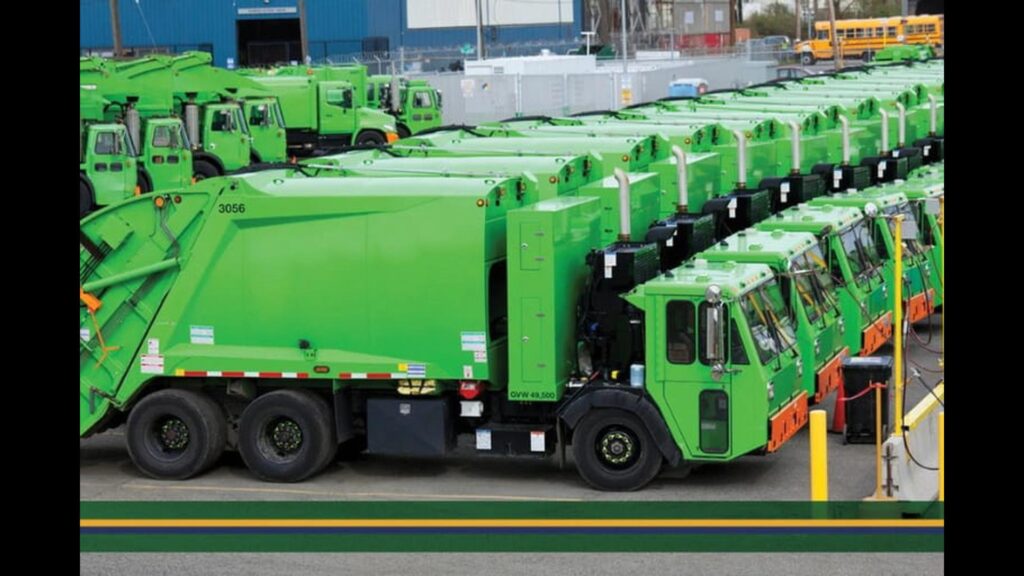
Fleet operations are under constant pressure to reduce costs, improve uptime, and deliver consistent performance. Yet one of the biggest threats to profitability is often overlooked: unplanned vehicle breakdowns. These emergencies not only disrupt schedules but also trigger a cascade of expenses that can quietly drain millions from a fleet’s bottom line.
By using AI-powered tools to monitor vehicle health and forecast failures before they happen, fleets are unlocking dramatic cost savings often exceeding $1 million+ per 100 vehicles annually.
The Hidden Costs of Fleet Downtime
When a truck breaks down unexpectedly, the financial impact goes far beyond the repair bill. Fleet downtime leads to missed deliveries, rerouted drivers, idle assets, and frustrated customers. Emergency repairs typically involve premium labor rates and expedited parts, which inflate costs even further.
For large fleets, these breakdowns can occur weekly or even daily. Multiply that across dozens or hundreds of vehicles, and the losses quickly add up.
What Is Predictive Maintenance?
Predictive maintenance uses real-time data from telematics devices, and historical maintenance records, and deploys machine learning algorithms to detect early signs of failure. Instead of waiting for a breakdown, fleet managers receive alerts when a component is likely to fail often weeks in advance.
This proactive approach allows for scheduled repairs, better inventory planning, and reduced reliance on emergency services. It also helps extend the lifespan of critical components by addressing issues before they escalate.
How Predictive Maintenance Drives $1M+ (100 vehicles) in Annual Savings
Here are the key ways predictive maintenance delivers major financial benefits:
1. Preventing Vehicle Breakdowns
AI-powered fleet tools can detect anomalies in engine performance, brake systems, and other vital components. By catching these issues early, fleets avoid costly roadside failures and the domino effect of delays and lost revenue.
2. Reducing Emergency Repair Costs
Emergency repairs often require overnight shipping, mobile technicians, and premium labor rates. Predictive maintenance enables planned service windows, allowing fleets to negotiate better rates and avoid inflated expenses.
3. Optimizing Inventory Management
Knowing which parts are likely to fail and when allows fleets to stock only what they need. This reduces waste, improves cash flow, and ensures that the right components are available when needed.
4. Extending Vehicle Lifespan
Regular, data-driven maintenance helps vehicles run more efficiently and last longer. This reduces capital expenditures on new equipment and improves return on investment for existing assets.
5. Improving Driver Productivity
Breakdowns disrupt driver schedules and increase stress. Predictive maintenance keeps trucks on the road and drivers on track, improving morale and reducing turnover.
6. Enhancing Customer Satisfaction
Reliable delivery performance builds trust. Predictive maintenance helps fleets meet deadlines consistently, strengthening client relationships and opening the door to new business.
Real-World Impact
Fleets that implement predictive maintenance report dramatic improvements in uptime and cost control. One logistics company reduced emergency repairs by 70 percent and saved over $1.2 million in its first year. Another saw a 30 percent increase in vehicle availability, allowing it to take on more routes without expanding its fleet.
These results are not outliers. As predictive analytics becomes more accessible, fleets of all sizes are discovering that the shift from reactive to proactive maintenance is not just smart, it is essential.
The Road Ahead
Predictive maintenance is no longer a futuristic concept. It is a proven strategy that delivers measurable fleet cost savings, reduces vehicle breakdowns, and improves operational efficiency. With AI-powered fleet tools becoming more advanced and affordable, the question is no longer whether to adopt predictive maintenance, it is how quickly you can implement it.
If your fleet is still relying on reactive maintenance, it may be costing you more than you realize. The path to $1M+ in annual savings starts with a smarter, data-driven approach to keeping your vehicles on the road.